Jaden Services

1 product
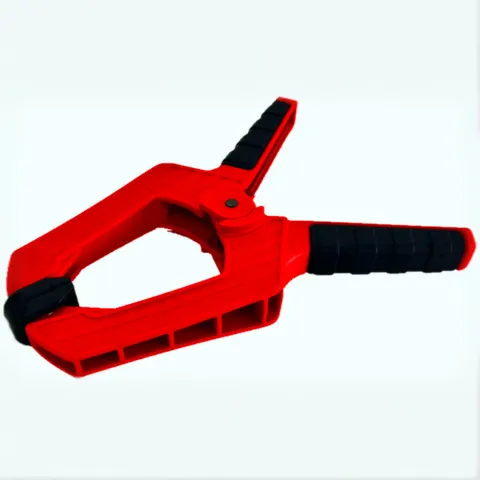
F-clamps, spring clamps and quick-release clamps for holding work while adhesive cures.
Construction adhesive needs contact pressure, not crushing force. Over-clamping squeezes adhesive out of the joint and starves the bond line. Apply enough pressure to hold the parts in contact and leave them for the full cure time rather than checking every ten minutes by releasing the clamp.
Bare clamp faces mark timber, powder-coat and painted surfaces. Use the pads if the clamp has them, or a scrap packer between the jaw and the work. On a finished surface this is not optional — a clamp mark pressed into a visible face during installation is permanent damage.
Spring clamps are for light, quick holding where you need one hand free. F-clamps give controlled, adjustable pressure and are the general workhorse. Quick-release trigger clamps trade some clamping force for speed, which suits repetitive positioning. Have a range rather than trying to make one type do everything.
A single clamp in the middle of a long joint pulls that point tight and leaves the ends open. Space clamps evenly along the joint, or use a batten across the face to spread the pressure. This matters particularly when bonding trim or panel where the ends lifting is exactly the defect that will be visible.
Follow the adhesive's handling strength time, typically several hours, and leave it undisturbed until full cure before loading.
Yes. Over-clamping squeezes adhesive out and starves the joint, producing a weaker bond than moderate pressure.