Forspec

24 products
Refine 5Gap-filling construction adhesives for fixing panel, trim, subfloor sheeting, skirting and mirrors. We carry solvent-based, water-based and hybrid polymer adhesives, plus the low-solvent grades needed for mirrors and polystyrene.
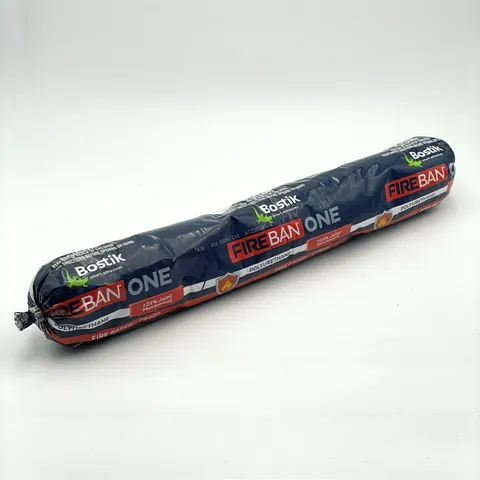
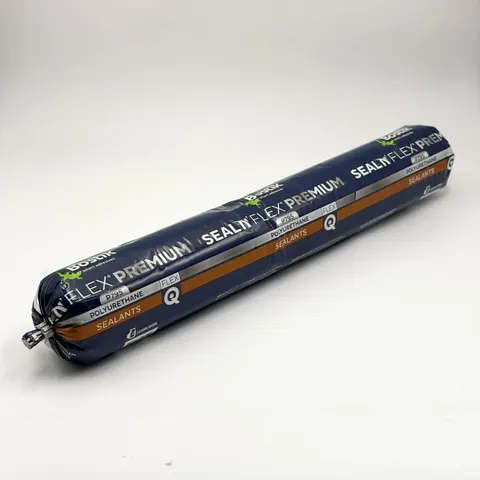
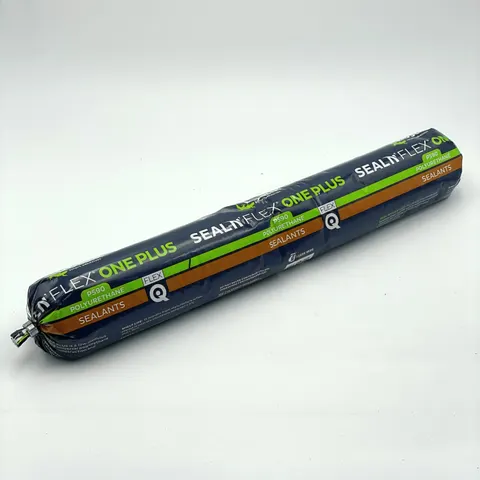
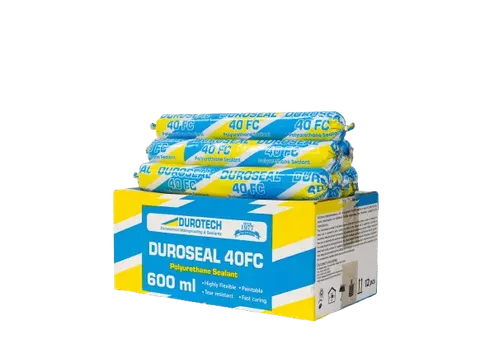
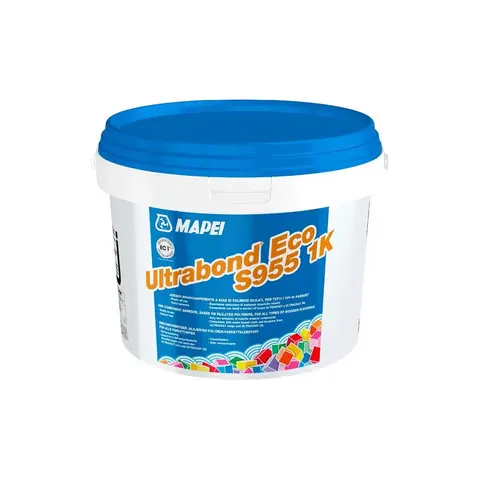
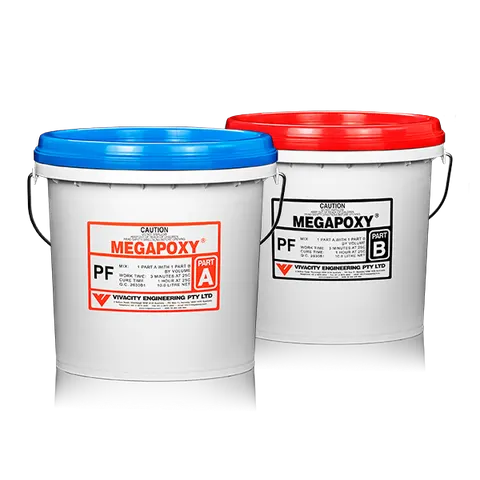
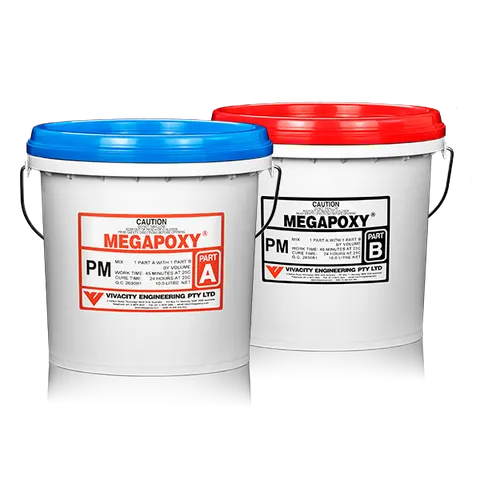
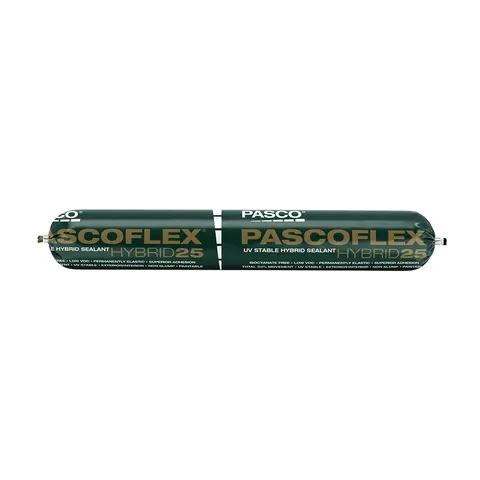
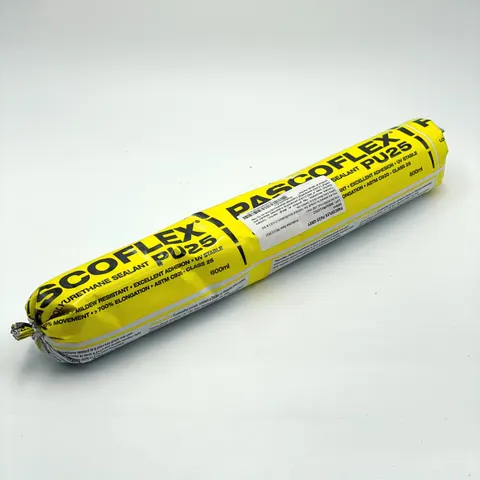
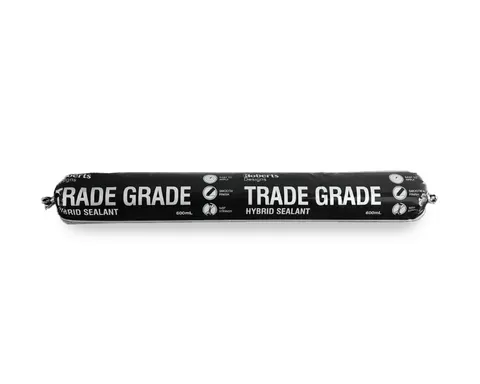
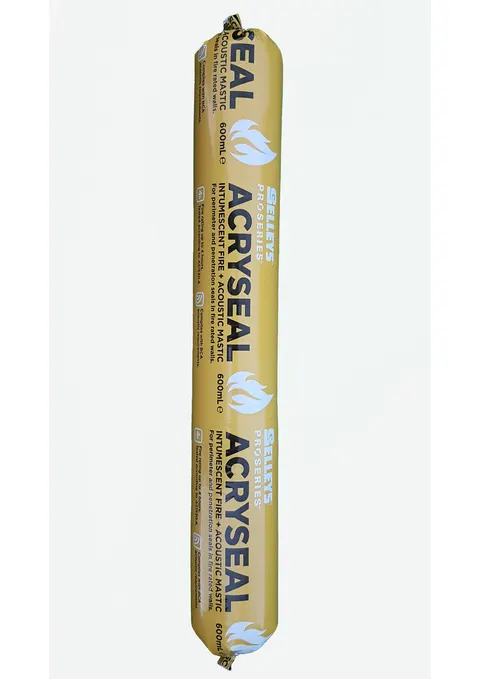
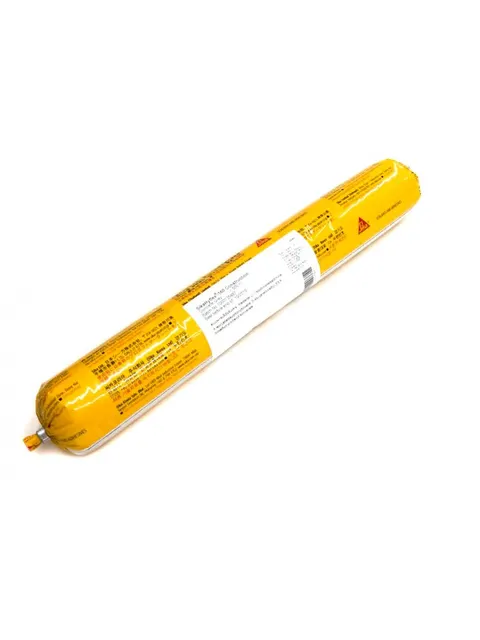
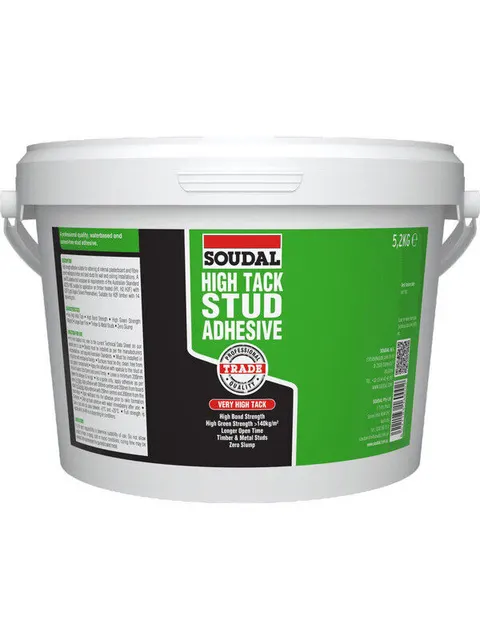
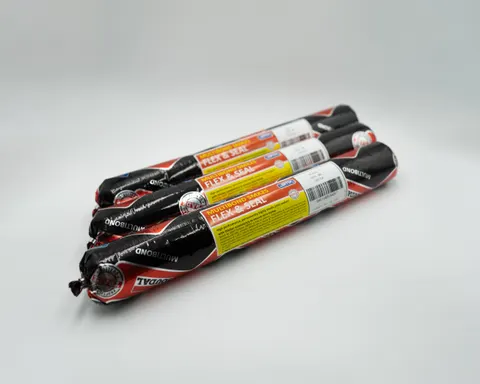
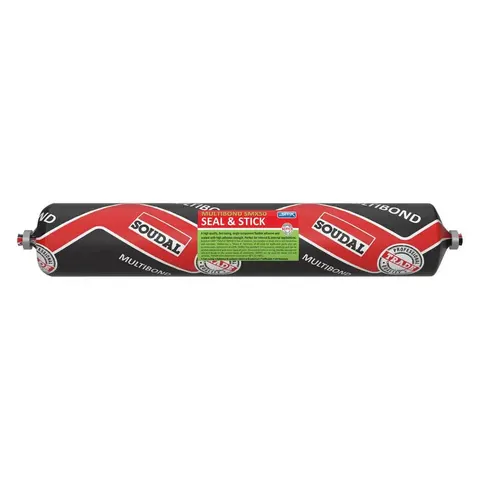
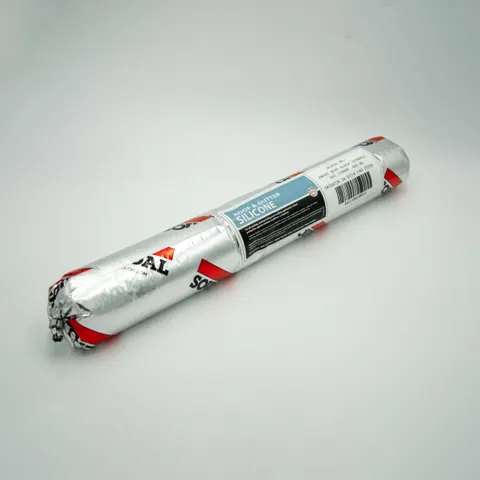
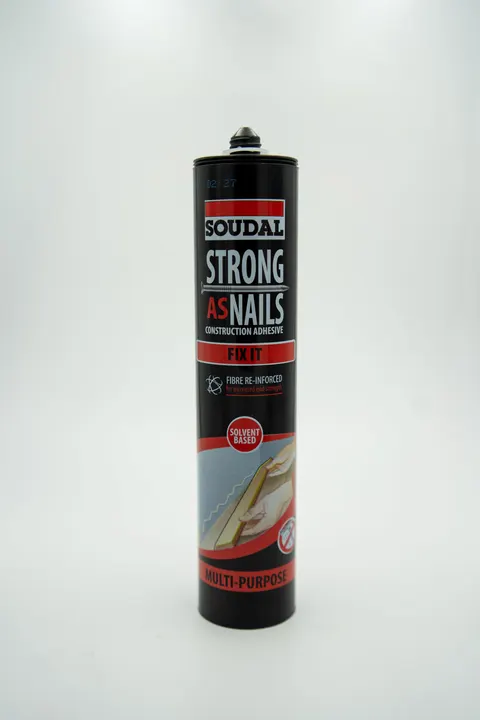
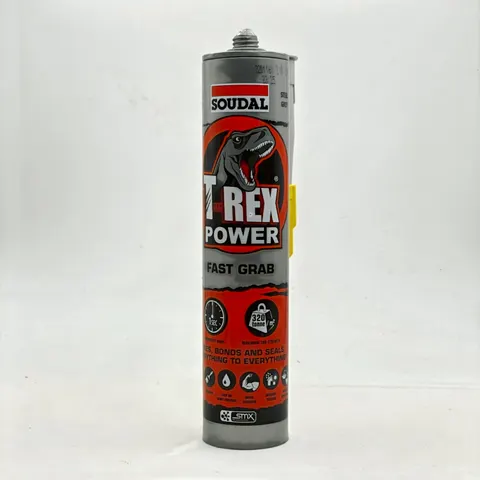
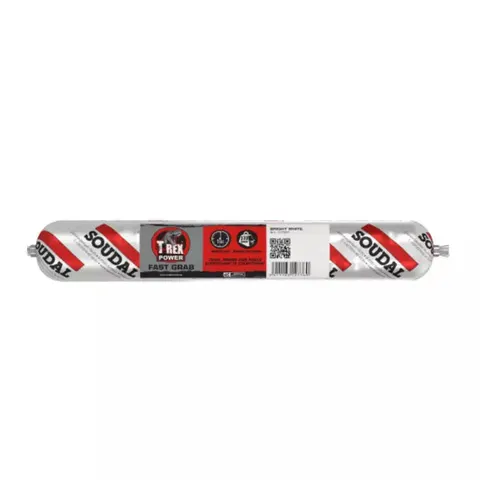
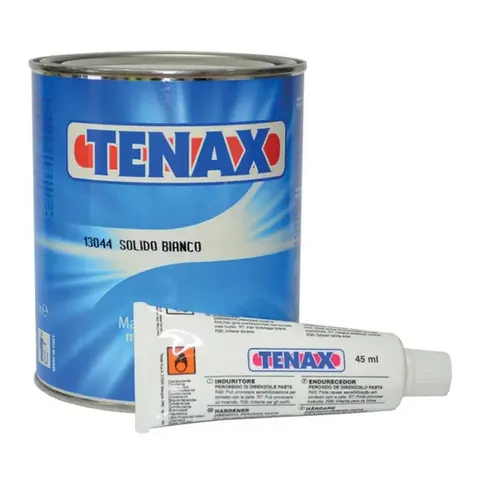
Solvent-based adhesives grab fast and hold well on timber, plasterboard and masonry, but the solvent will attack polystyrene, some mirror backings and certain plastics. Water-based grades are safe on those substrates but need at least one porous face to cure, so they are unsuitable for bonding two sealed surfaces together. Hybrid polymer adhesives cure by moisture and work on almost everything, including two non-porous faces — they cost more but remove the guesswork.
For sheet material, run vertical beads at 200 to 300mm centres with a continuous perimeter bead set in from the edge so it does not squeeze out. On narrow trim, a single serpentine bead gives better coverage than a straight line. Bring the panel into contact, then pull it back off and re-set after a minute — the tack-off improves initial grab and stops sheets sliding while you fix them.
Adhesive is not a substitute for fixings on anything structural or overhead. Use it to eliminate squeaks and reduce fixing counts on subfloors and linings, but follow the relevant code for the actual fastener schedule. For mirrors, always use a mirror-specific adhesive and support the bottom edge mechanically until cure is complete.
Adhesive between joist and sheet flooring is what stops a timber floor squeaking, because it removes the tiny relative movement between the two that causes the noise. Run a continuous bead along every joist immediately before laying the sheet, and fix while the adhesive is still wet — if it skins before the sheet goes down, it becomes a gasket rather than a bond. Work in sections you can sheet within the adhesive's open time rather than running out the whole floor first.
Mirror backing is a thin protective coating over the silvering, and solvent will penetrate it and attack the silver, producing the black creeping edge seen on failed mirrors. Use a neutral cure product specifically labelled for mirrors, apply in vertical beads so any moisture can drain, leave a gap between beads for air circulation, and support the mirror mechanically until fully cured. Never bed a mirror in a continuous full-coverage layer.
Only grades rated for exterior exposure. Check the technical data sheet for UV and water resistance — many interior grades will soften or creep when they get wet.
Initial grab is usually within minutes, but full strength typically takes 24 to 72 hours depending on bead size, substrate porosity and humidity. Do not load a bond before the stated cure time.
Only as well as the paint sticks to the wall. The bond is only as strong as the weakest layer, so on old or flaking paint, scrape back to a sound surface first.