Forspec

20 products
Refine 7Low-odour water-based membranes for internal wet areas — bathrooms, laundries, ensuites and internal balconies. Easy to apply by roller or brush, quick to recoat, and the standard choice for occupied residential work.
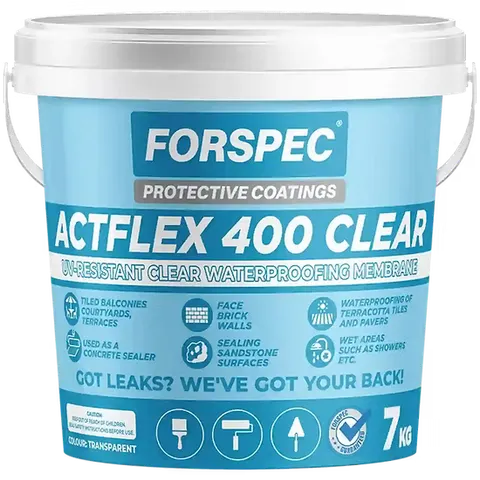
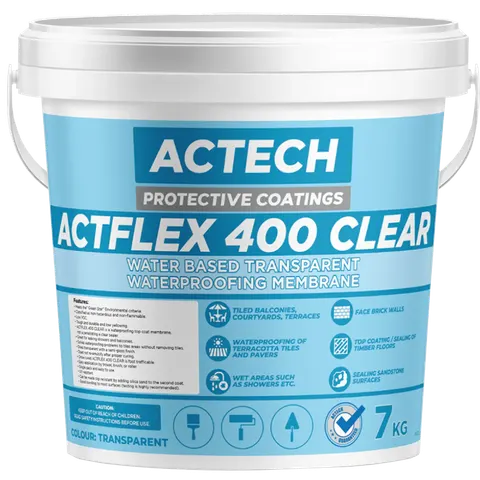
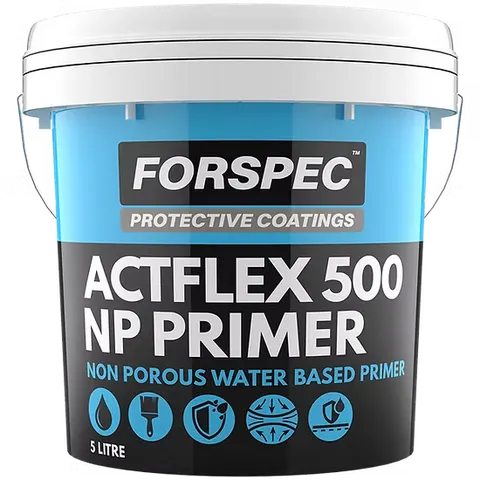
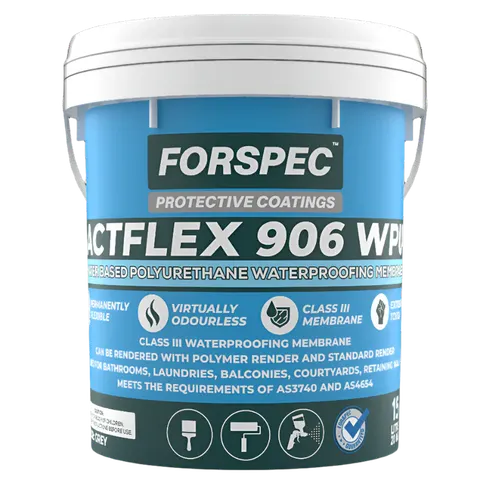
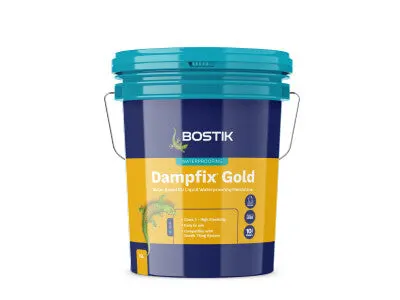
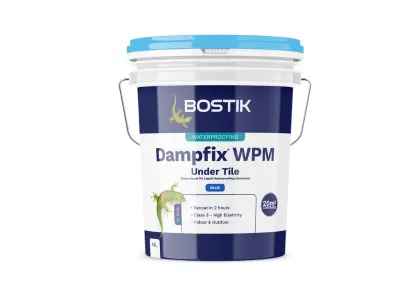
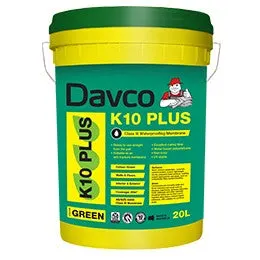
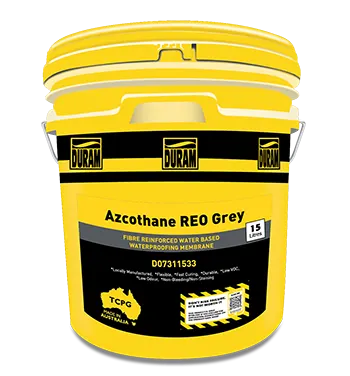
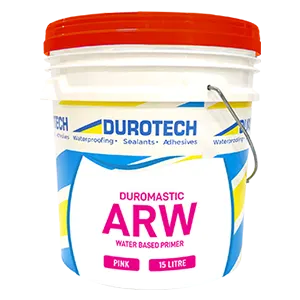
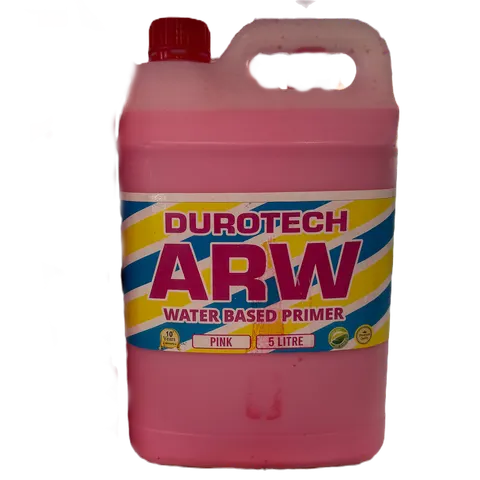
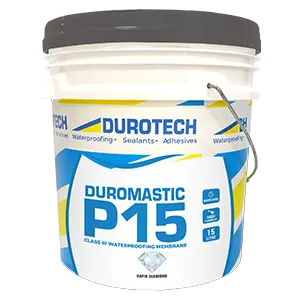
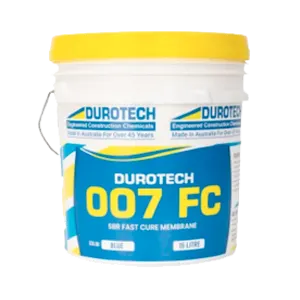
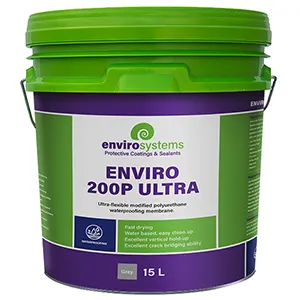
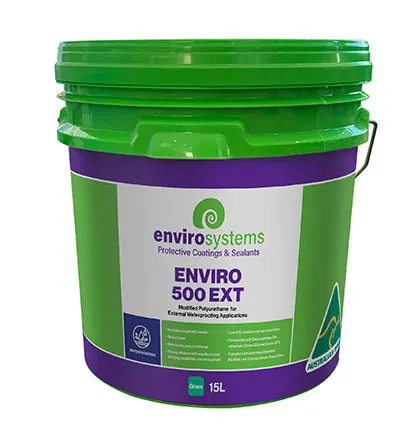
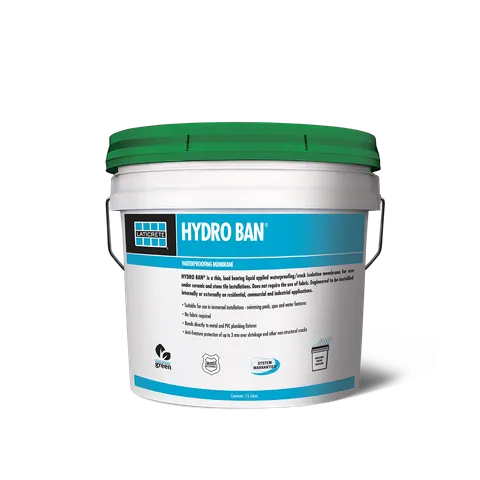
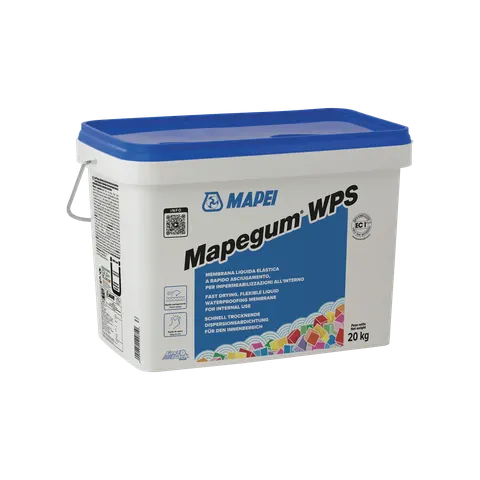
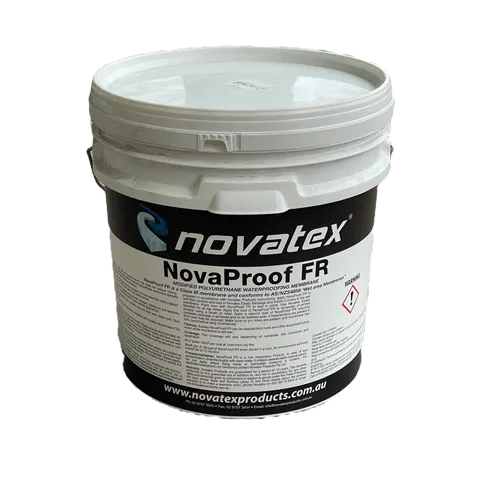
These are the default for internal wet areas. Low VOC means they can be applied in occupied buildings without evacuating the floor, and recoat times are short enough to complete a bathroom in a day. They tolerate the slightly green substrates common on fast residential programmes better than solvent systems. They are not the right choice for permanently submerged applications or heavy UV exposure.
Apply by roller in alternating directions, working the first coat well into the substrate. Bed reinforcing bandage into the wet first coat at every junction and penetration. Build to the wet film thickness on the data sheet — using a wet film gauge is the only reliable way to confirm it. Rushing the recoat traps carrier in the film and leaves a soft membrane that will not pass a flood test.
Water-based membranes need a clean, sound, dust-free substrate within the moisture tolerance stated on the sheet. Grind off laitance, curing compound residue and any adhesive from a previous floor covering. Porous substrates get a diluted primer to control suction — without it the membrane loses water into the slab before it can form a film, leaving a thin, chalky coat that looks applied but has almost no strength. On sheet substrates such as fibre cement or plywood, seal the sheet joints and fastener heads first.
These membranes cure by evaporation, which makes them sensitive to conditions in a way solvent systems are not. In a cold, unventilated bathroom in winter, a coat that normally recoats in four hours can still be soft the next morning. In hot dry weather the opposite happens — the surface skins before the film below has released its water, trapping moisture and causing blistering. Provide airflow without blasting the surface, and extend recoat times when the weather demands it rather than working to the label figure.
Not every tile adhesive bonds to every membrane. Manufacturers publish compatibility tables, and most water-based polyurethane membranes require a polymer-modified adhesive of a specified deformability class. Using a standard cement adhesive over a flexible membrane is one of the most common causes of drummy tiles in new bathrooms, because the rigid adhesive cannot accommodate the membrane's movement.
Typically 24 to 48 hours after the final coat at 23 degrees, longer in cold or humid conditions. Flood test first.
Some water-based grades are rated for external use with a protective topcoat or tile covering. For exposed decks with significant movement and UV, a solvent-based polyurethane usually performs better.
Use a wet film thickness gauge in the freshly applied coat, in several places across the area. Coverage rate per square metre is a guide only — it assumes a perfectly flat substrate, which no real floor is.
An uncured water-based membrane can be washed off or permanently damaged by rain. Protect the area until the manufacturer's rain-resistant time has passed, and inspect carefully before recoating if it did get wet.