Jaden Services

117 products
Refine 6Adhesives, grouts, levelling compounds, trims and accessories for wall and floor tiling. We carry the Ardex, Davco and Mapei lines that dominate Sydney tiling specs, in the bag and pail sizes that suit both small bathroom jobs and commercial floor areas.
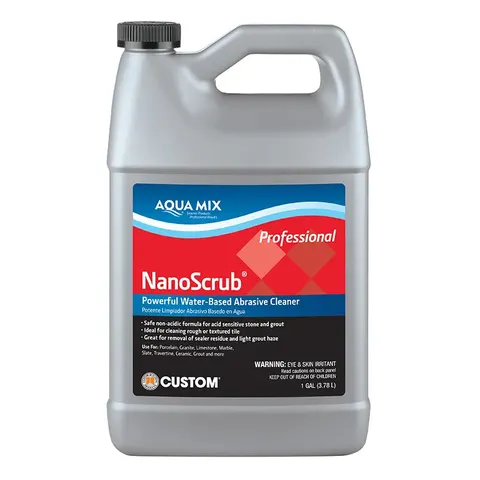
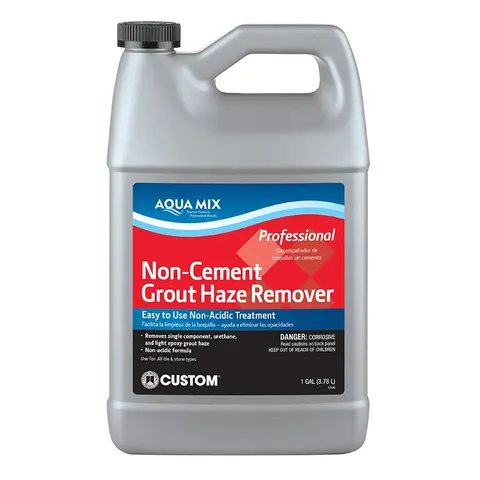
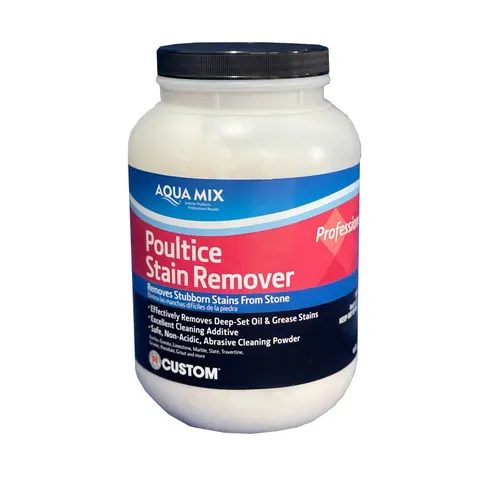
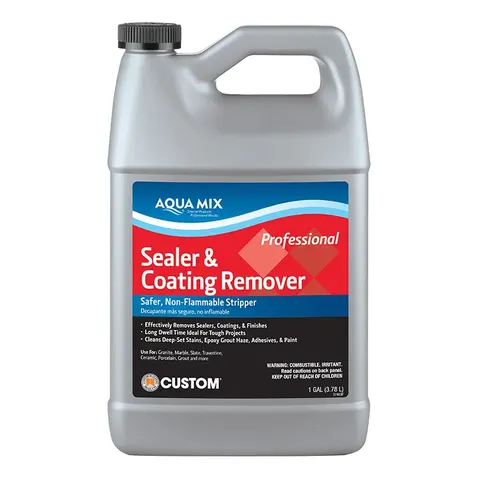
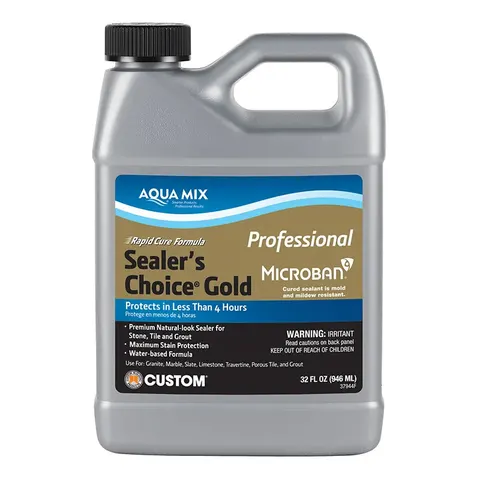
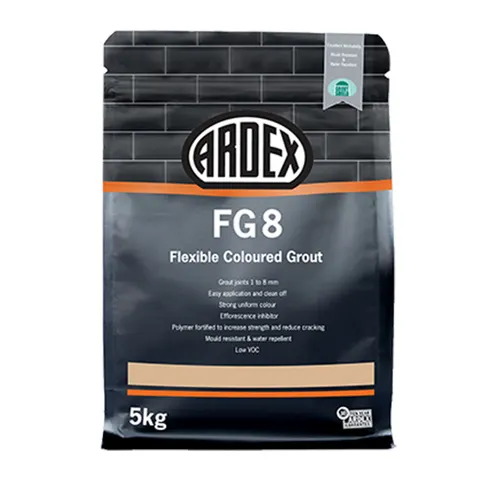
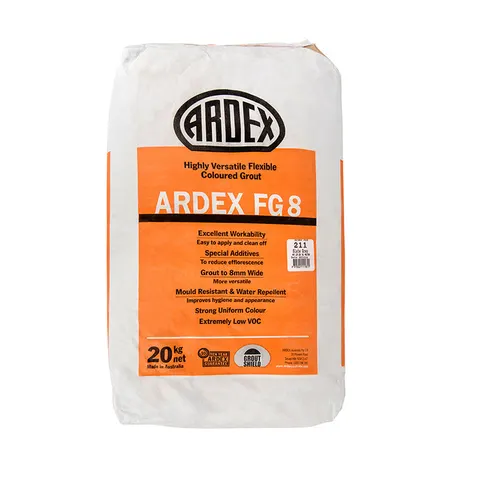
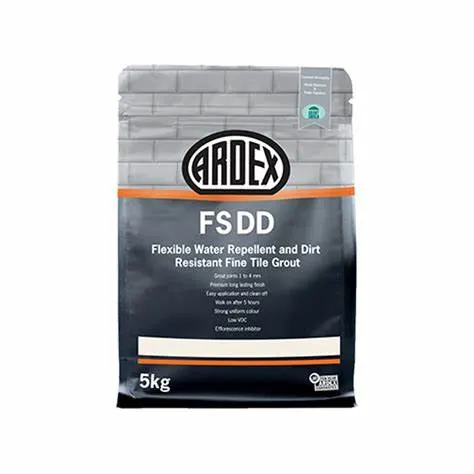
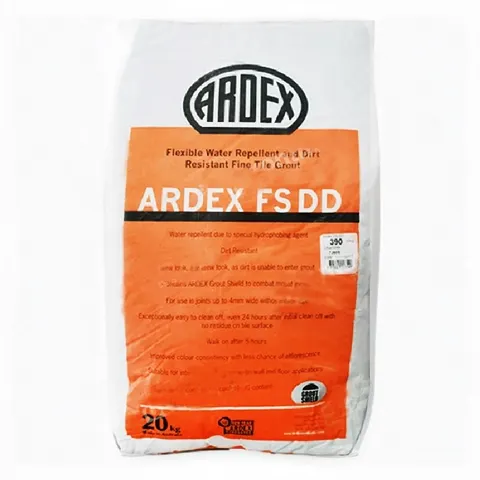
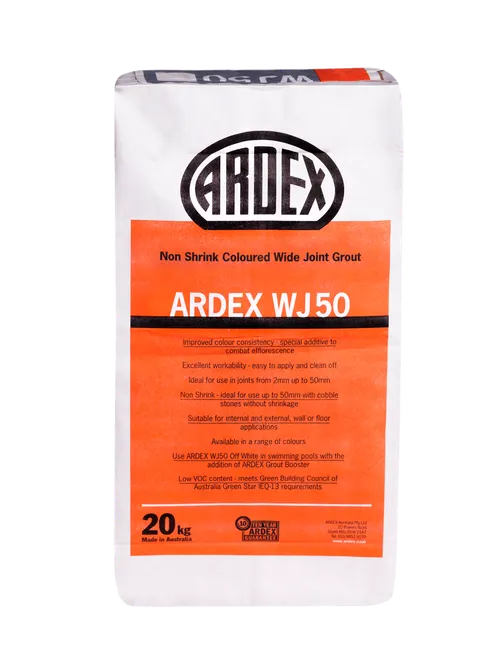
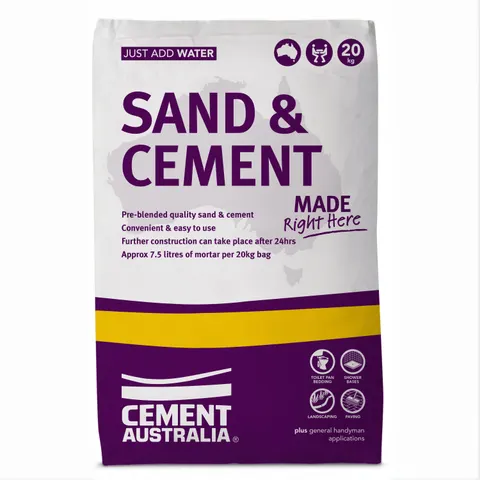
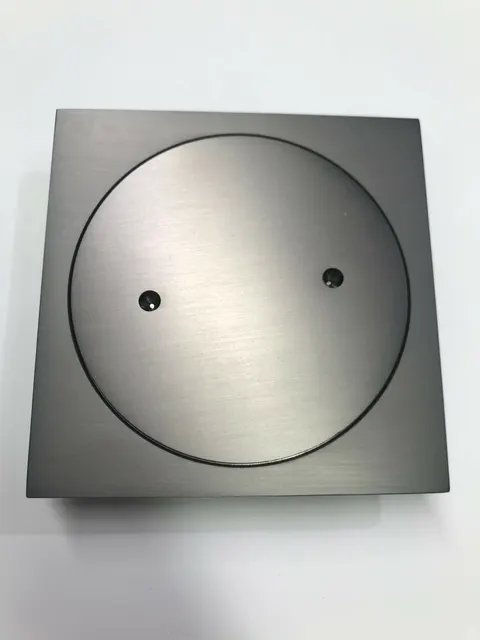
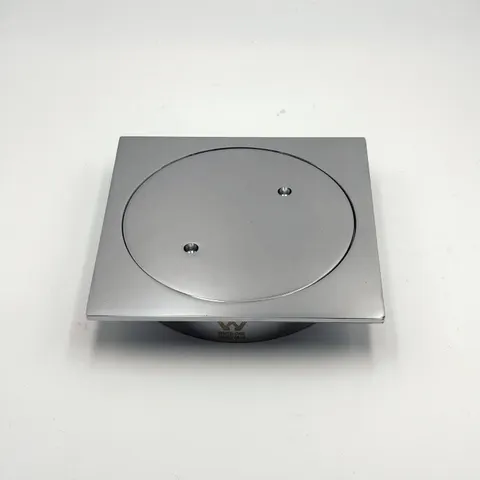
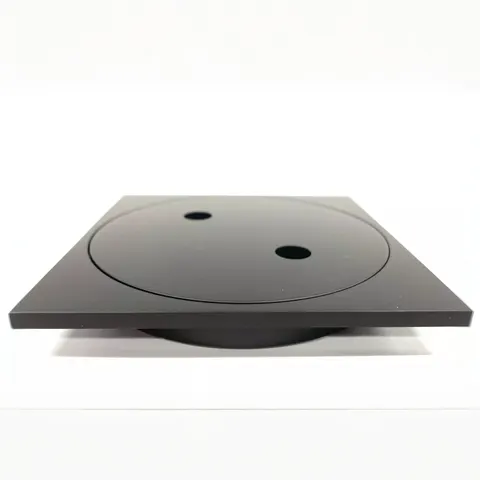
Adhesive selection follows the tile, the substrate and the exposure. Standard cement-based adhesives suit absorbent ceramic on stable, absorbent substrates. Large-format porcelain, low-absorption tile, and anything over a membrane or on a flexible substrate needs a polymer-modified adhesive with the appropriate deformability rating. On stacked-bond large format, or tiles over 600mm, back-buttering and a notched trowel sized for full bed coverage are not optional — voids under large tile are where drummy tiles and cracked corners come from.
Large-format tile has no tolerance for an out-of-flat floor. Check with a straightedge before ordering adhesive; if the deviation exceeds the tolerance for the tile size, a levelling compound is cheaper and faster than trying to bury it in adhesive. Building a thick adhesive bed to correct level causes differential shrinkage and lippage that is visible on the finished floor.
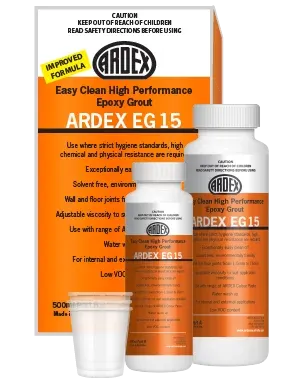
Cement-based grout suits most residential wall and floor work and now comes in polymer-modified grades with real stain resistance. Epoxy grout is the choice for commercial kitchens, laboratories, pool surrounds and anywhere chemical or constant water exposure is expected. Whichever you use, grout is not a movement joint — perimeter joints and field movement joints must be filled with a flexible sealant, not grout, or the floor will tent.
Set out from the most visible line in the room, not from the wall. Rooms are rarely square, and starting from a wall pushes the accumulated error into the middle of the floor where it shows. Dry-lay a run in both directions, check where the cuts land, and shift the grid so no cut is a narrow sliver at a doorway or against a bath. Ten minutes with a chalk line and a straightedge is what separates a tiled floor that looks considered from one that looks like it just happened.
Size it for full coverage under the tile: broadly 6mm notch for small wall tile, 10mm for standard floor tile, and 12mm or larger with back-buttering for large-format. Lift a tile early in the job and check coverage rather than guessing.
Usually 24 hours for standard adhesives, longer for large-format or in cold conditions. Grouting too early traps moisture and can cause grout colour variation.
Yes — at minimum a flexible perimeter joint where the floor meets the walls, and at internal corners. AS 3958 sets out field joint spacing for larger areas.