
Jaden Services

5 products
Self-levelling underlayments and patching compounds for correcting floor level and flatness before tiling or laying resilient flooring. Available in standard, rapid and deep-fill grades.
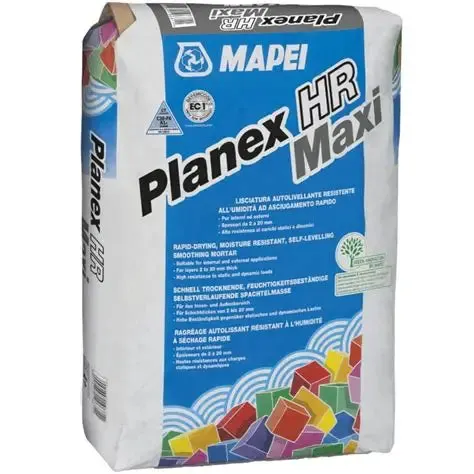
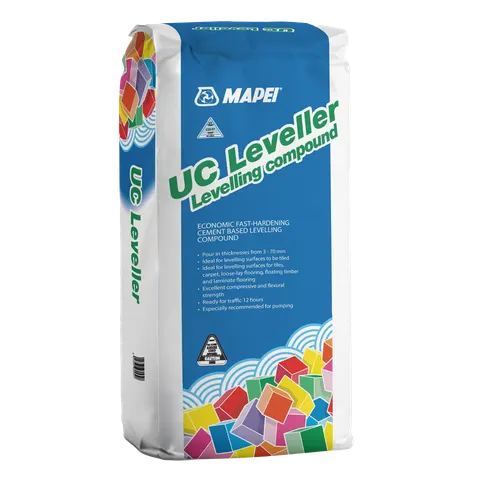
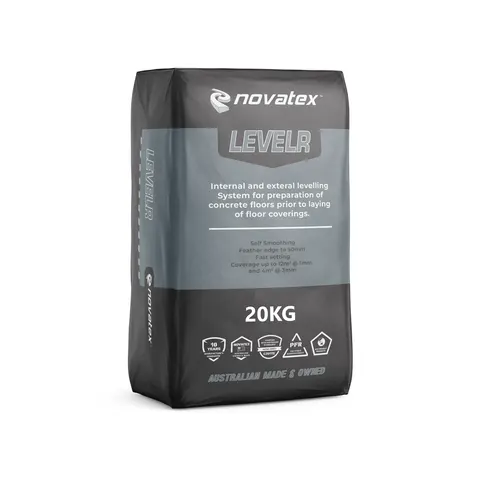
Self-levelling compound over an unprimed porous slab will lose its water to the substrate before it flows and cures, leaving a weak, dusty, pinholed surface. Prime every time, using the primer for that compound and at the dilution specified for the substrate porosity. On non-porous substrates the primer serves the opposite purpose — providing a key — and often needs a sand broadcast.
Self-levellers have a short flow window. Work out the volume, have enough mixed product and hands to place it in one continuous pour, and set perimeter dams before starting. Stopping mid-pour leaves a cold joint that telegraphs through the finished floor. Check the maximum and minimum thickness on the bag — going below minimum leaves a brittle feather edge that will break up.
These products are far more sensitive to water dosing than adhesives. A slightly over-watered mix segregates, bleeding a weak laitance layer to the surface that has to be ground off. Under-watered will not flow and leaves trowel marks. Measure water by volume for every batch, use the same mixing time throughout, and if two people are mixing, agree the method before starting so batches match.
Carry every existing structural and movement joint through the levelling compound — do not bridge them. Isolate the perimeter with a compressible foam strip so the poured floor can move independently of the walls. A levelling compound poured tight against the walls and over a movement joint will crack, and that crack reflects straight through the tile above it.
Standard compounds usually run 2 to 10mm; deep-fill grades go to 50mm or more, often with aggregate added above a certain depth. Always check the specific product.
Rapid grades can be tiled in a few hours; standard compounds typically need 24 hours. Deep pours take longer to release moisture.
Yes, if the tiles are sound and well bonded, after cleaning and applying the correct primer for a non-porous substrate.