Ardex

22 products
Refine 3Cement-based and polymer-modified tile adhesives for wall and floor work, including rapid-set grades for fast turnarounds and high-deformability grades for tiling over membranes and flexible substrates.
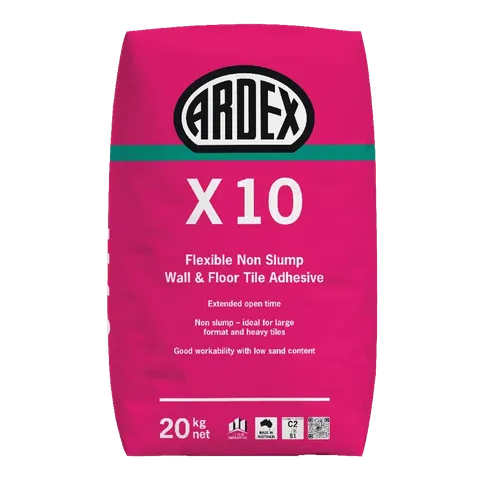
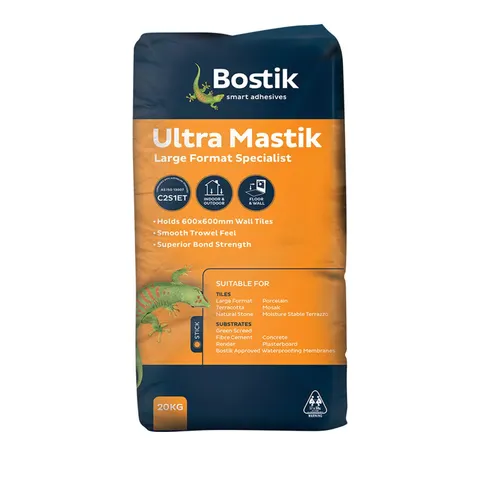
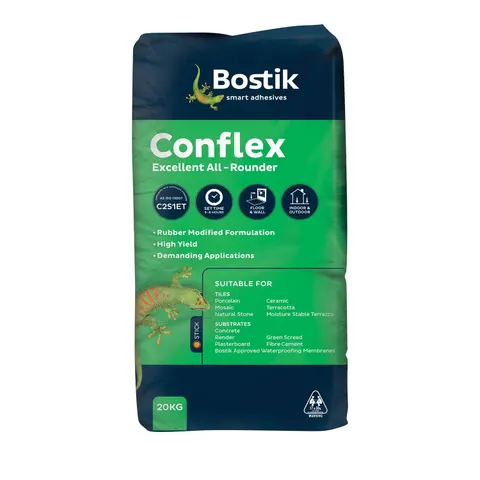
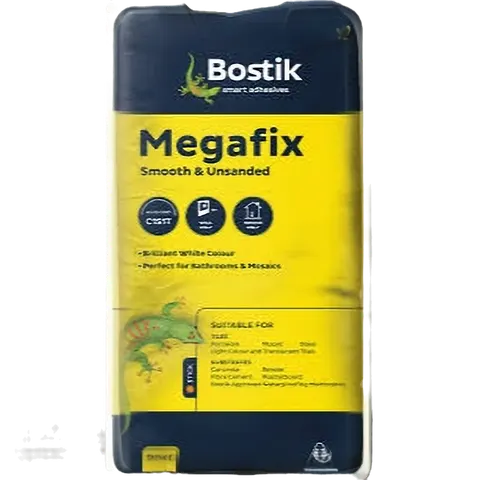
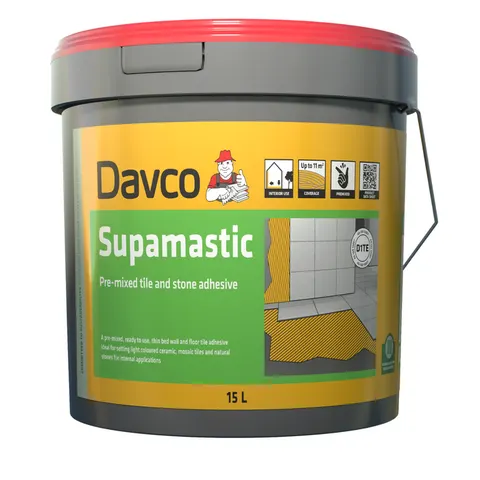
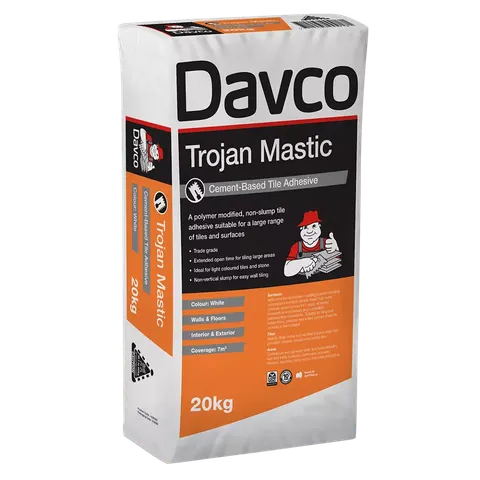
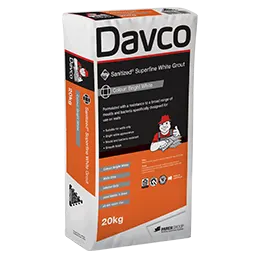
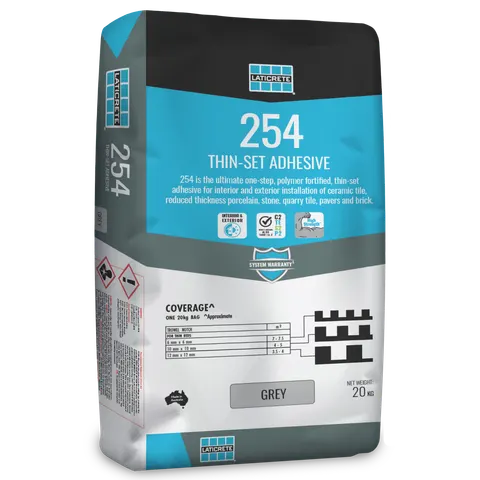
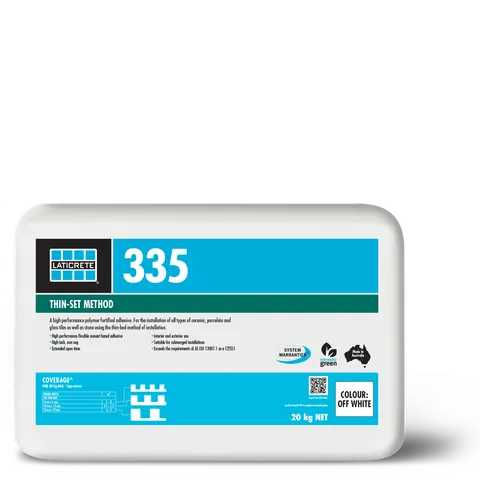
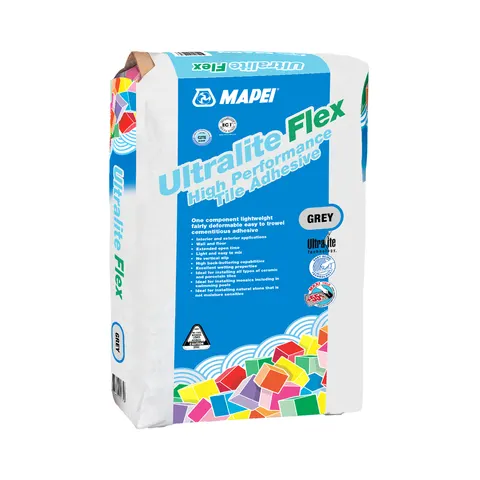
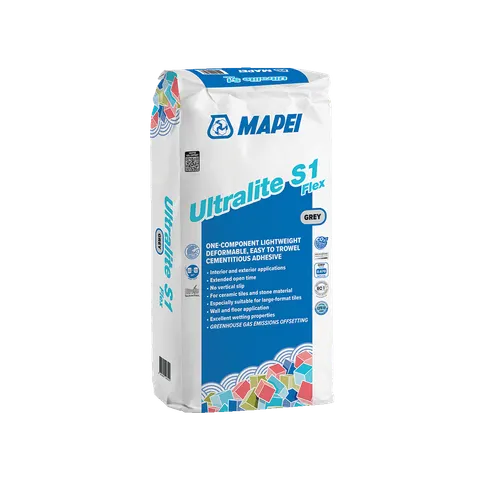
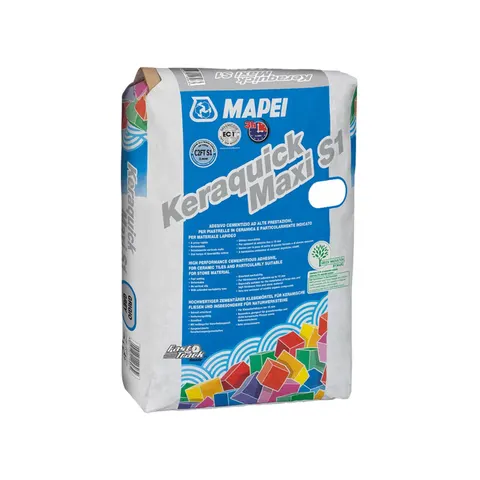
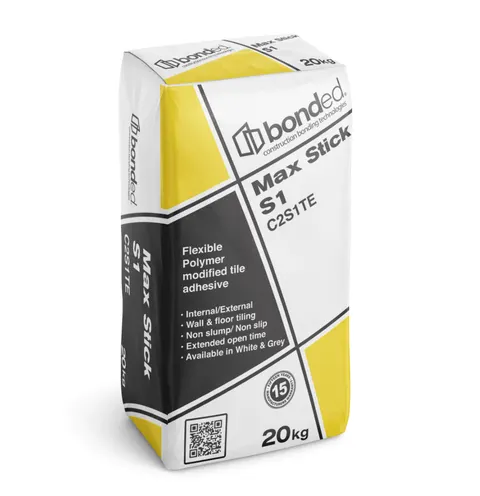
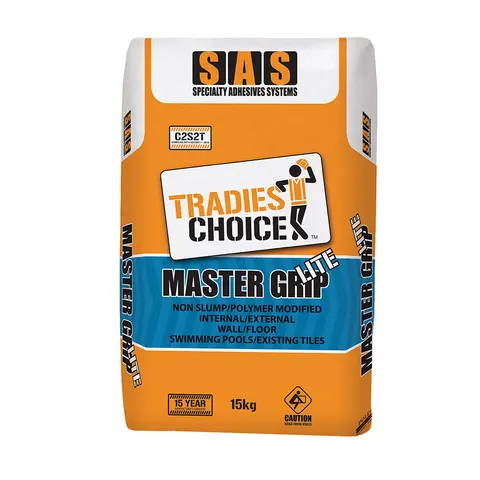
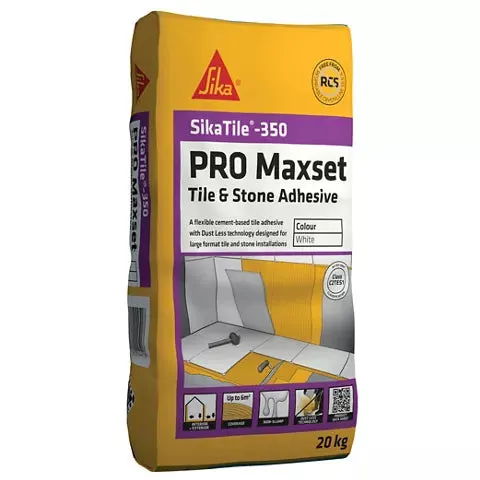
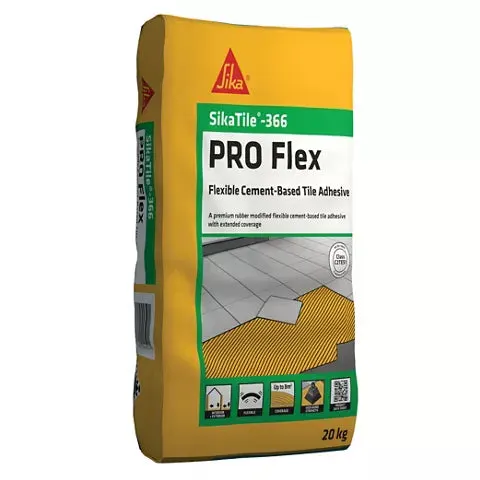
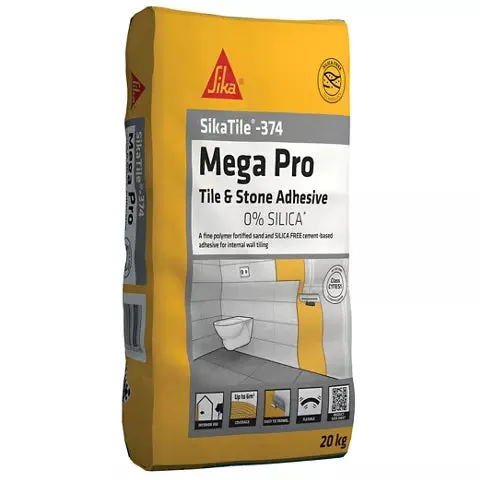
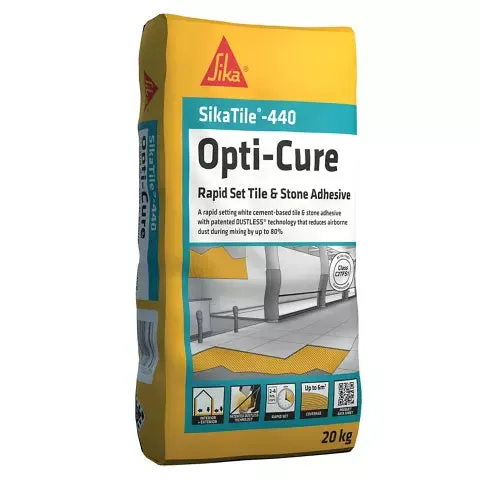
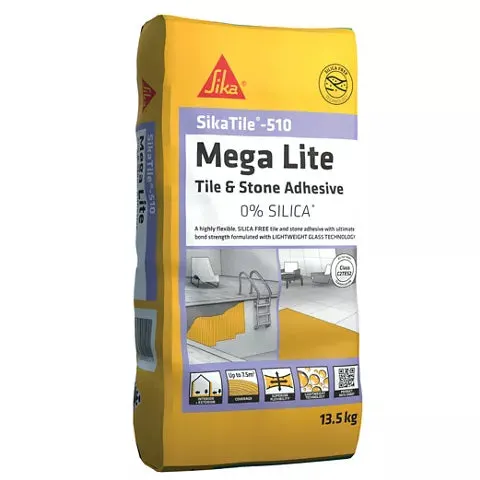
A standard cement adhesive is fine for absorbent ceramic on a stable, absorbent bed. Add polymer modification for porcelain, low-absorption tile and any substrate that moves a little. Highly deformable grades are required over waterproofing membranes, on plywood or fibre cement sheet, over heated floors and on any substrate expected to deflect. Using a standard adhesive over a membrane is one of the most common causes of drummy tiles.
Rapid grades let you grout the same day and are worth the premium on occupied bathrooms and tight programmes. The trade-off is pot life — mix only what can be laid in the working time, and do not re-temper with extra water when it starts to stiffen. Re-tempered adhesive loses a substantial share of its bond strength.
Mix to the stated water ratio with a slow-speed paddle, let it slake for the specified time, then remix briefly. Skipping the slake leaves unhydrated polymer and a weaker bond. Watch open time on hot or windy days — if the ribs of adhesive have skinned over, they will not transfer to the tile. Comb out only as much as can be covered before skinning.
Coverage under the tile is the single best predictor of whether a floor will still be sound in ten years. Internal floors generally need at least 80 percent contact, external and wet areas closer to full contact with no voids at corners or edges. Lift a tile within the first few square metres and look at the back. If the ribs have not collapsed into a solid bed, the notch is too small, the adhesive has skinned, or the tile is not being bedded firmly enough.
Roughly 3 to 4 kg per square metre with a 6mm notch, 5 to 6 kg at 10mm, and 7 to 9 kg at 12mm with back-buttering. Allow more on uneven substrates.
Yes, if the existing tiles are sound, well bonded and correctly prepared — clean, deglazed or primed with a suitable bonding primer, and using a polymer-modified adhesive.
Almost always insufficient coverage — adhesive that skinned before the tile went on, an undersized notch, or no back-buttering on large format. It can also be a rigid adhesive over a flexible substrate.