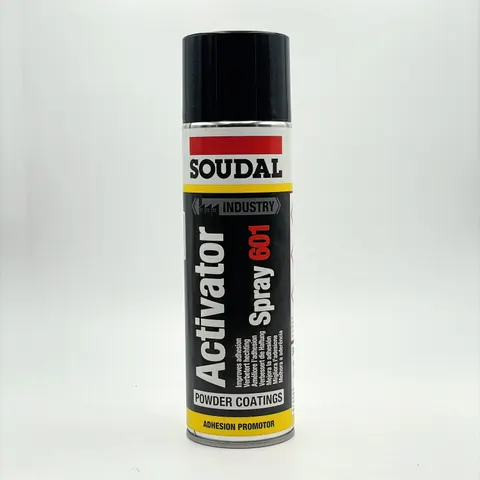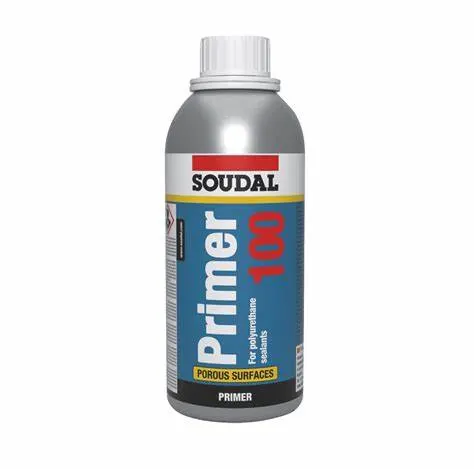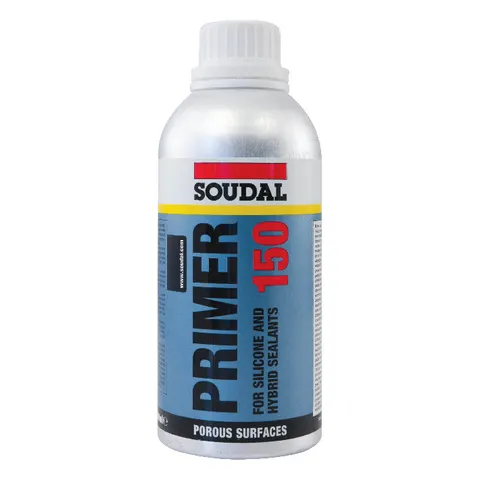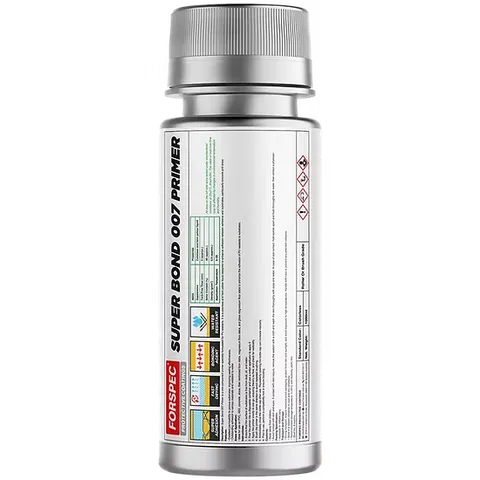
Forspec

4 products
Primers and activators that make sealants, membranes and adhesives bond properly to the substrate you actually have. Stocked for porous and non-porous surfaces, including specialist grades for green concrete, glazed tile and metal.
Porous substrates — concrete, screed, render, blockwork, fibre cement — absorb the liquid fraction of a sealant or membrane and starve the bond line. A penetrating primer consolidates the surface and gives the product something solid to grip. Non-porous substrates like glass, anodised or powder-coated aluminium, stainless and PVC have nothing to key into at all; a surface activator chemically modifies the surface so the sealant can bond. Using the wrong one is worse than using none.
Primers have a working window. Apply too early and the substrate is not ready; leave it too long and airborne dust contaminates the primed surface, forcing a re-prime. Most sealant primers want the sealant applied between 15 minutes and 8 hours after priming. Membrane primers are typically wider, but still check the sheet — the window shortens in hot weather.
Water-based membrane primers are usually supplied as a concentrate and diluted according to substrate porosity — a heavier dilution on a dense power-floated slab, a lighter one on an absorbent screed. Getting this wrong in either direction causes problems. Too dilute and suction is not controlled; too concentrated and the primer forms a glossy film that the membrane then bonds to rather than to the substrate, creating a weak layer that can peel cleanly off in sheets.
On an unfamiliar or previously coated substrate, the fastest way to avoid a large-scale failure is a small test patch. Prime and coat half a square metre, let it cure fully, then cross-hatch it with a blade and attempt to lift it with tape. Half an hour spent on a test patch is cheap against stripping a whole balcony because the membrane would not bond to an old curing compound nobody knew was there.
Not always, but the technical data sheet decides, not habit. Most manufacturers publish an adhesion table by substrate. Where it says primer required, a failure without one is not covered by warranty.
Some primers are formulated for concrete that has not fully cured, but most waterproofing systems require a minimum concrete age — commonly 28 days — before priming. Check the system requirements before committing.
If the maximum open time has passed, the surface must be cleaned and re-primed. Dust settling on tacky primer creates a contaminated bond line that will fail later.