Star Tools

22 products
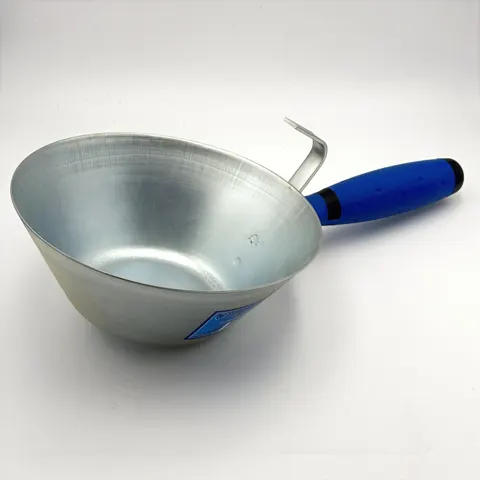
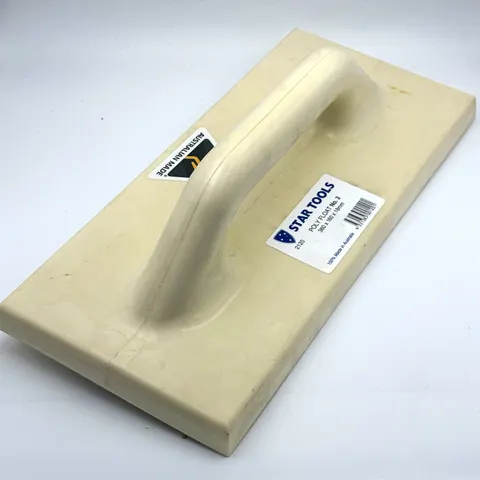
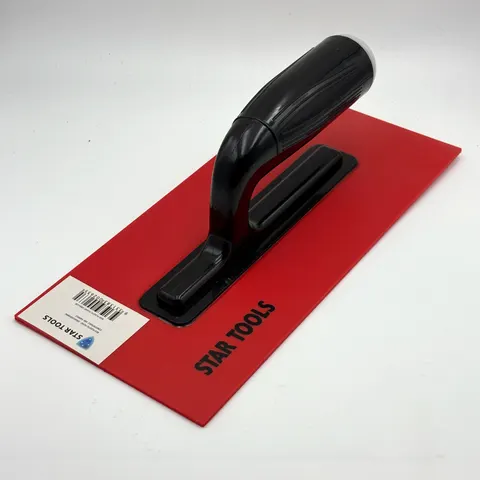
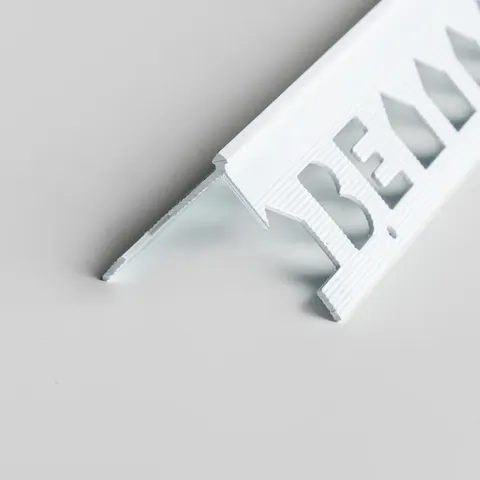
Refine 4Render systems and accessories for internal and external wall finishes — cement and acrylic renders, base and texture coats, beads and stop-ends, alkali-resistant mesh and the trowels to apply it all.
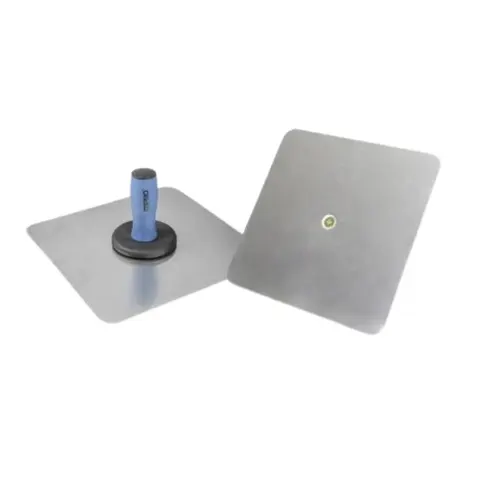
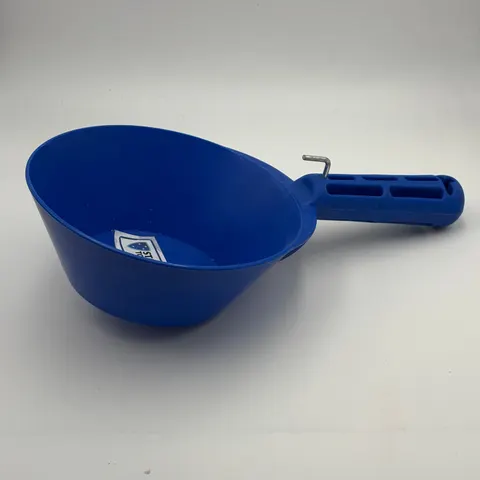
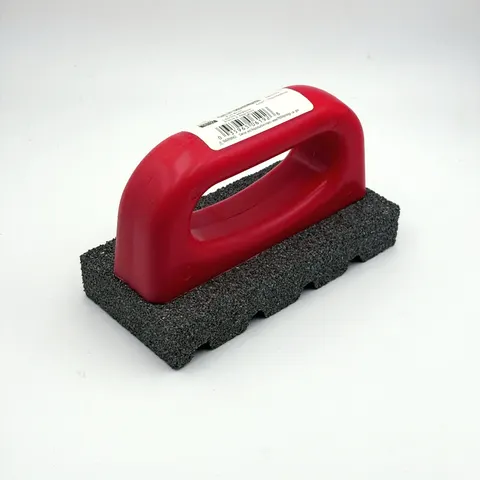
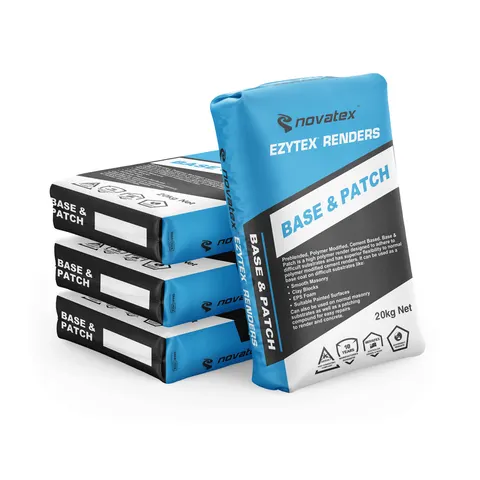
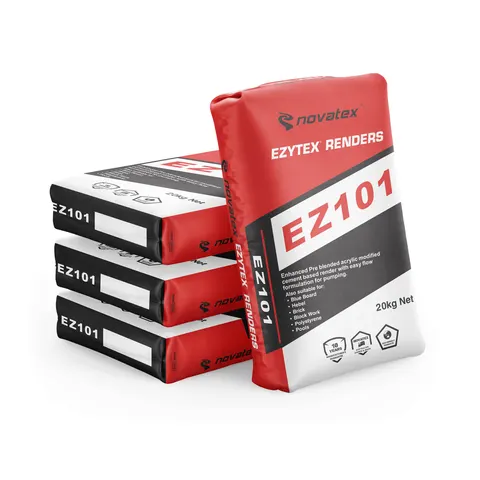
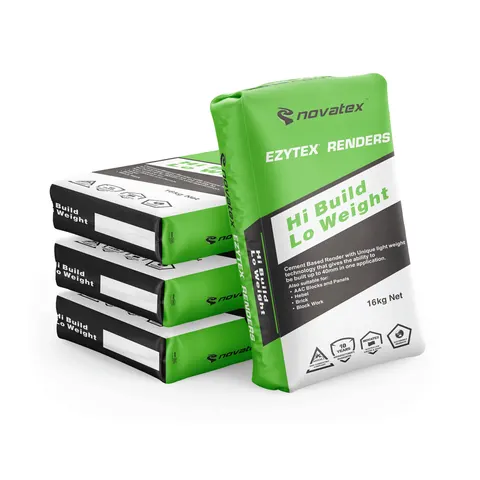
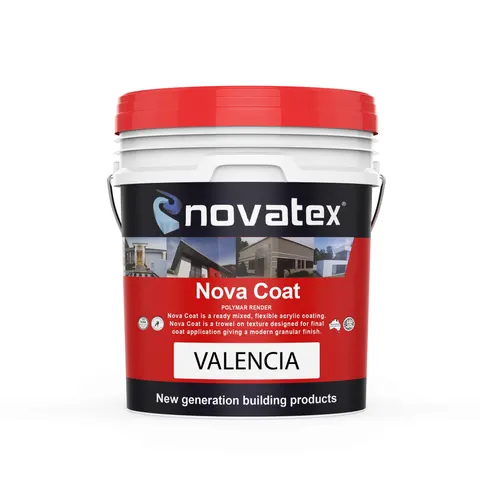
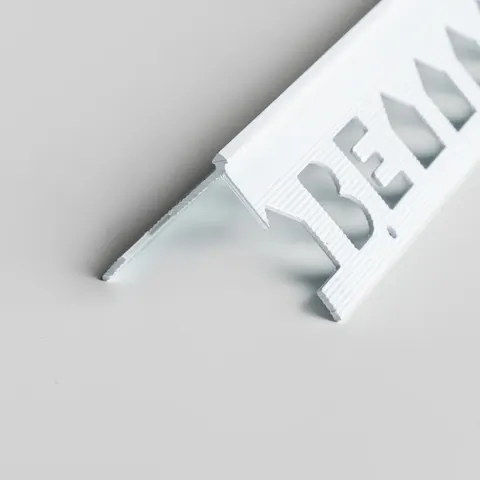
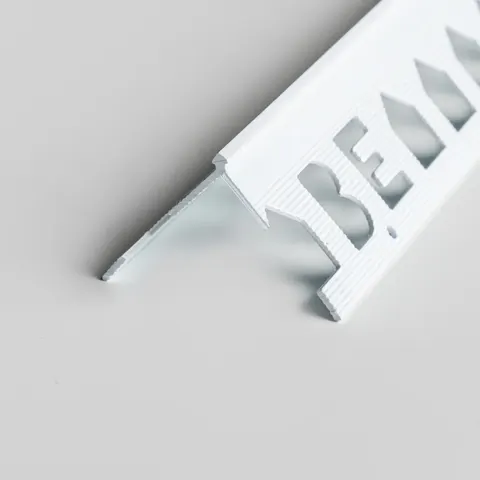
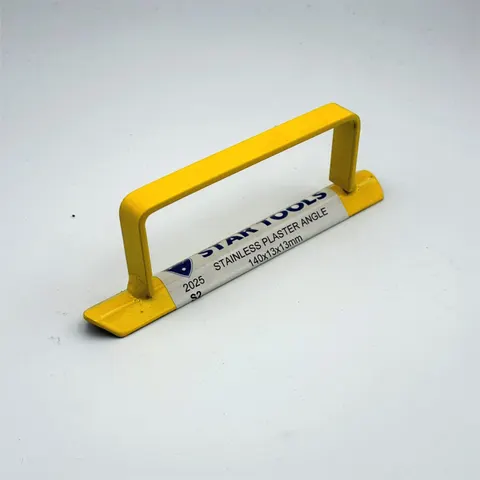
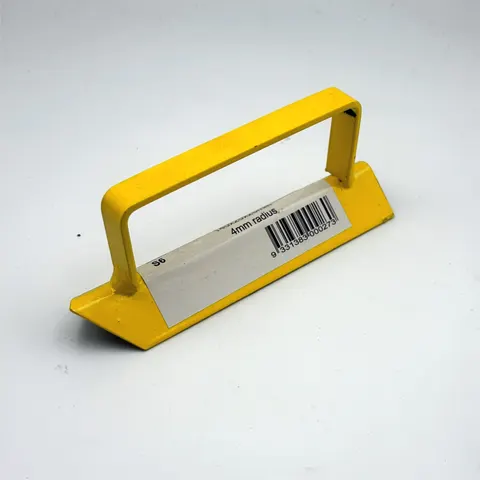


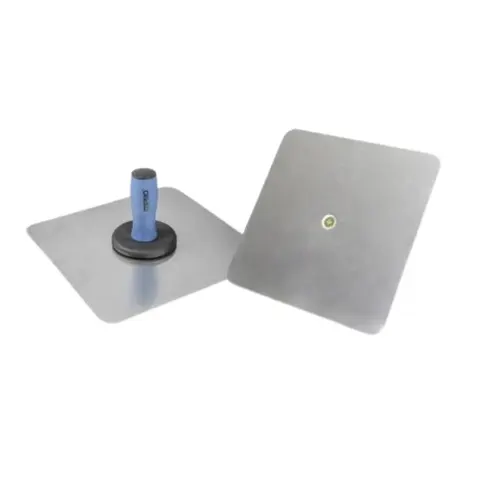
Traditional cement render is applied thick, is highly breathable, and is the right choice over masonry and blockwork where the wall needs to move moisture. Acrylic renders go on thinner, carry polymer for flexibility and adhesion, and bond to substrates cement render struggles with — including painted surfaces, fibre cement and polystyrene cladding. Acrylic also resists hairline cracking better, which matters on lightweight framed construction.
Render cracks where the substrate moves and no joint was provided. Follow the substrate's control joints straight through the render — bridging a structural joint guarantees a crack in the finish. Embed alkali-resistant mesh in the base coat over sheet junctions, at all openings, and diagonally at window and door corners where stress concentrates.
Cement render needs to cure, not dry. In hot or windy weather, mist-cure the surface or use a curing compound for the first days, or the surface dries out before hydration completes and you get dusting and crazing. Do not render in direct sun on a hot afternoon wall, and do not render if overnight temperatures will drop near freezing.
Highly absorbent substrates such as new blockwork pull water out of fresh render before it can hydrate, causing dusting and poor adhesion. Control it either by dampening the wall down ahead of rendering — damp, not wet, with no standing water — or by applying a bonding primer. Dense, low-suction substrates have the opposite problem and need a bonding agent to give the render something to grip.
Cement render is typically 10 to 15mm over masonry in two coats. Acrylic renders are much thinner, often 2 to 6mm depending on the texture. Follow the system specification.
Not with cement render. An acrylic render with a suitable bonding primer can work if the paint is sound and well adhered — test adhesion on a sample area first.
Cement render generally needs 28 days to cure and for alkalinity to drop. Acrylic renders can usually be coated much sooner — check the specific system.