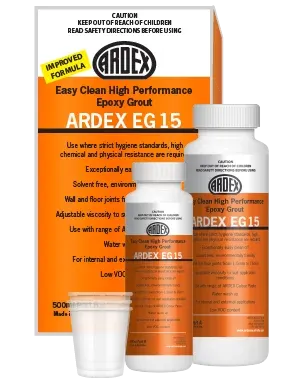
Ardex

7 products
Two and three-part epoxy grouts for commercial kitchens, food processing, laboratories, pool surrounds and any area facing chemical attack or constant water. Non-porous, stain resistant and requires no sealing.
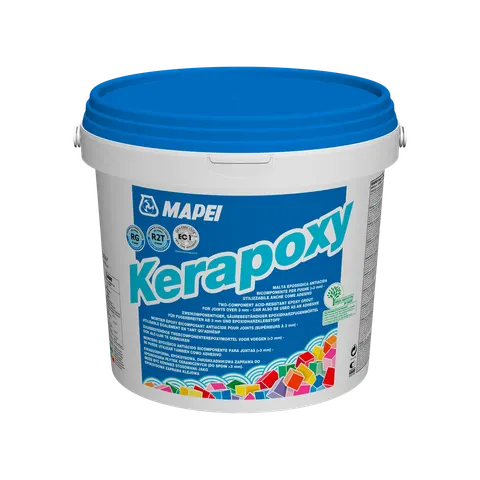
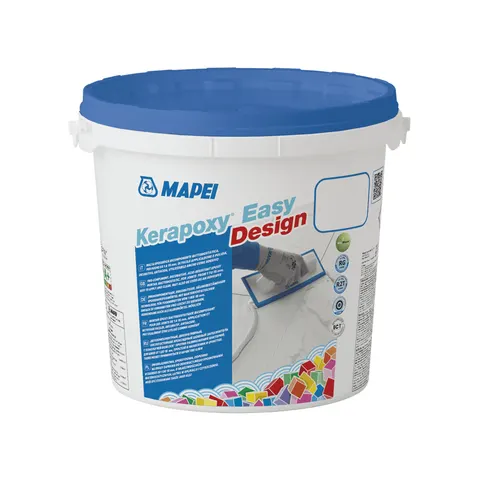
Epoxy grout costs several times what cement grout does and is harder to work, so it needs a reason. That reason is usually chemical exposure, constant immersion, or a hygiene requirement — commercial kitchens, breweries, hospitals, pool waterlines. It is also worth considering on residential splashbacks and shower floors where staining has been a recurring complaint.
Epoxy has a short, temperature-sensitive pot life and will not wait. Mix small batches, work a manageable area, and start the initial clean-up before the epoxy begins to set. Cured epoxy on the tile face has to be removed chemically or mechanically and can damage the tile. Use the manufacturer's clean-up additive and plenty of clean water — this is the step people underestimate.
Epoxy demands more hands than cement grout. A practical crew is two people minimum — one packing joints, one cleaning behind. Do not open a second unit until the first is placed and washed. On a hot day, halve the area you would normally take on, and consider working early morning. Most epoxy grout disasters are scheduling failures rather than technique failures.
Epoxy can stain porous and textured surfaces because the resin penetrates and cannot be washed back out. Unglazed porcelain, natural stone, textured anti-slip tile and crackle-glazed ceramic are all at risk. Always test on a spare tile, and where staining is a concern, pre-seal the tile face before grouting so the residue releases cleanly.
Check the specific product — some epoxies can stain porous stone. Test on an offcut first, and consider sealing the stone before grouting.
It works well, particularly on shower floors. The main considerations are cost and that it is less forgiving to install than cement grout.
A proprietary epoxy haze remover, applied per the label and worked with a nylon pad. Once fully cured it becomes difficult, which is why the initial wash matters so much.