Forspec

60 products
Refine 5Everything that bonds or seals a joint, in one category. Jaden Services carries neutral-cure and acetic silicones, polyurethane and MS polymer sealants, solvent and water-based construction adhesives, plus the primers, backing rods and tapes that make them perform as specified.
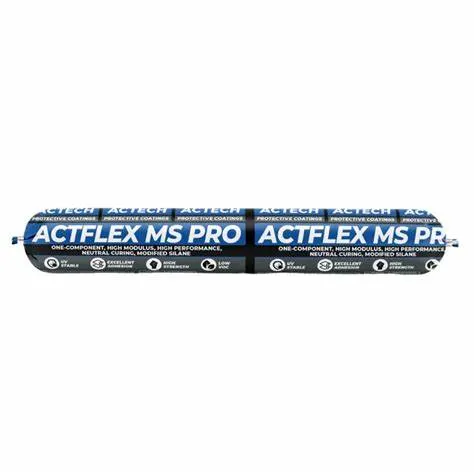
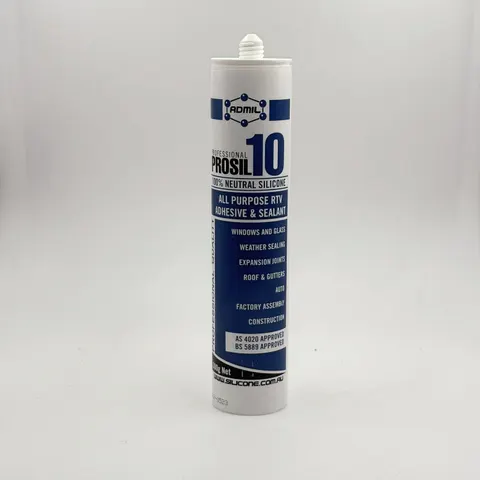
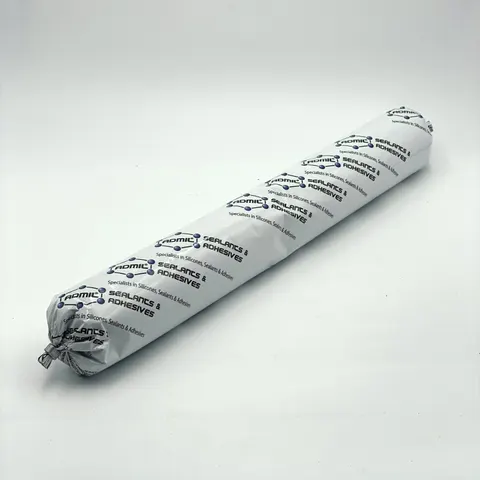
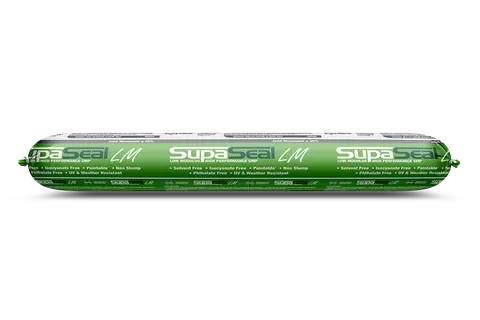
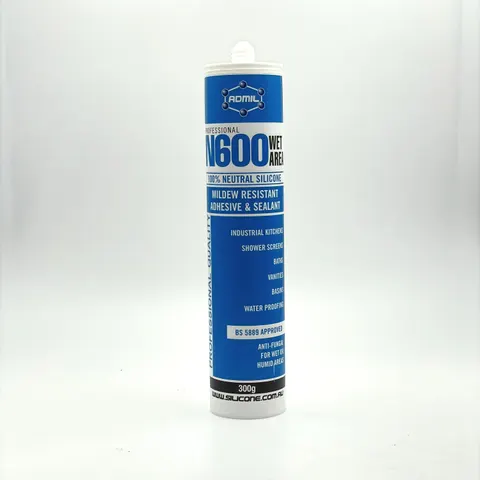
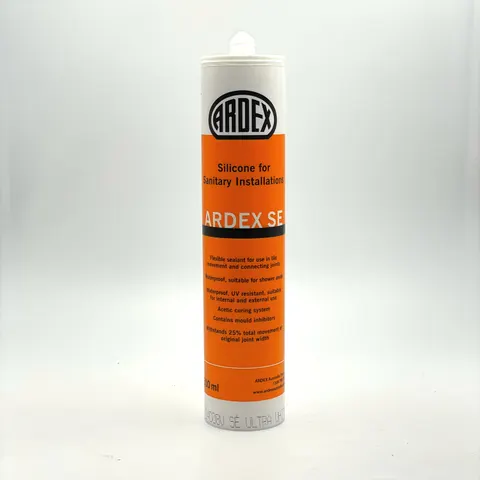
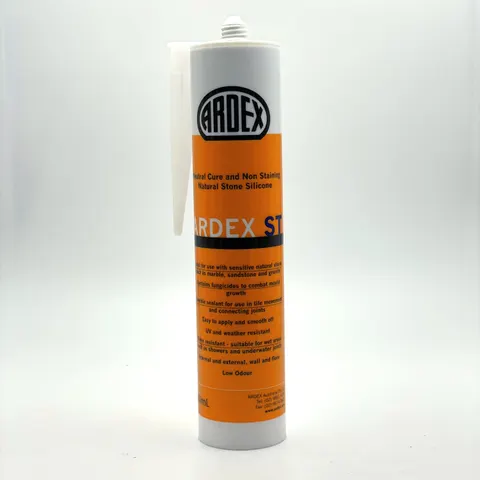
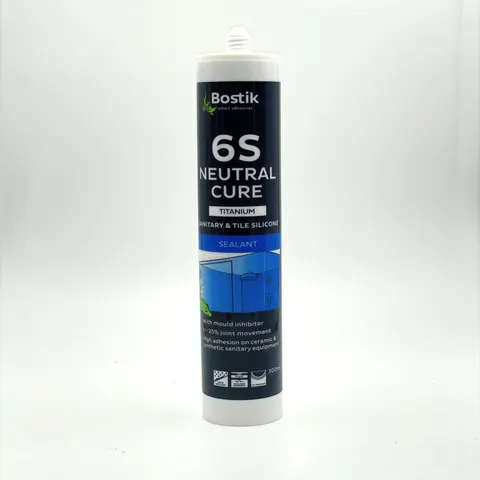
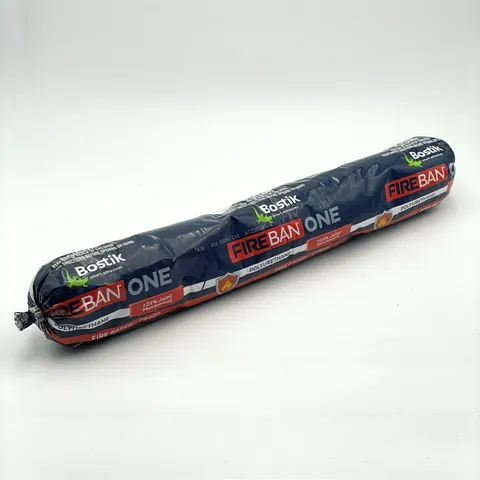
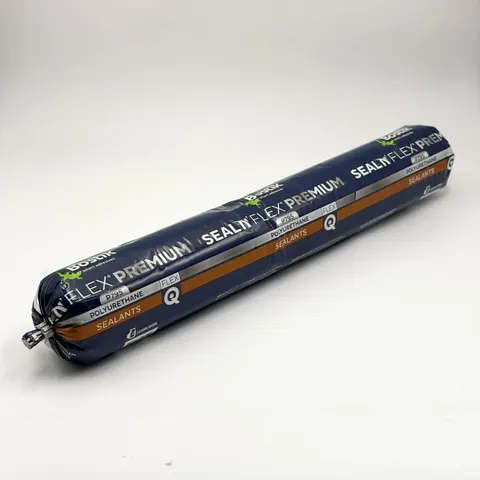
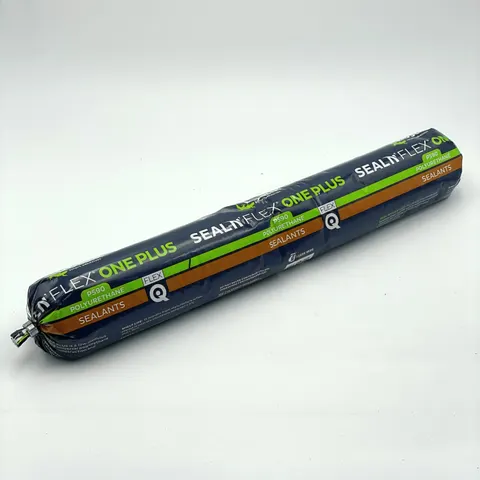
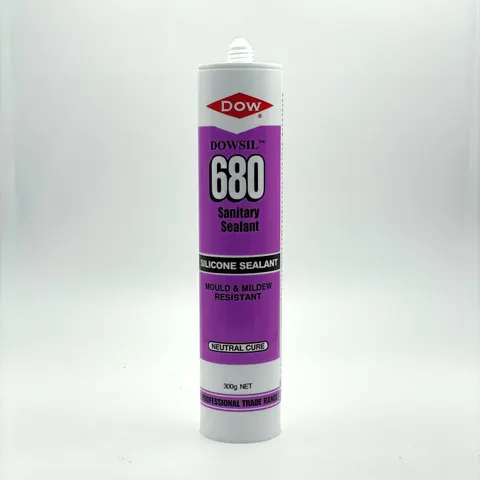
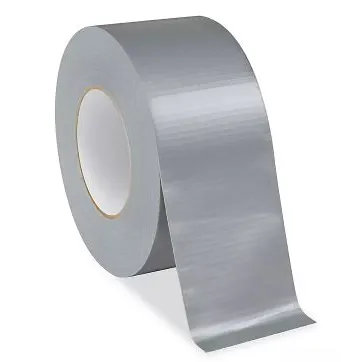
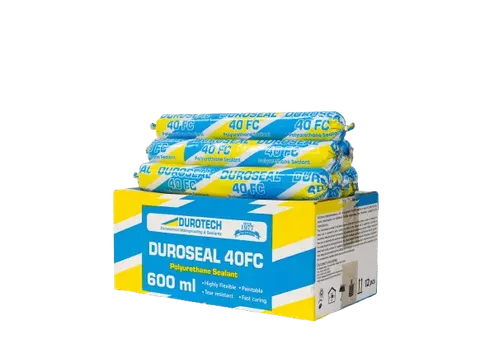
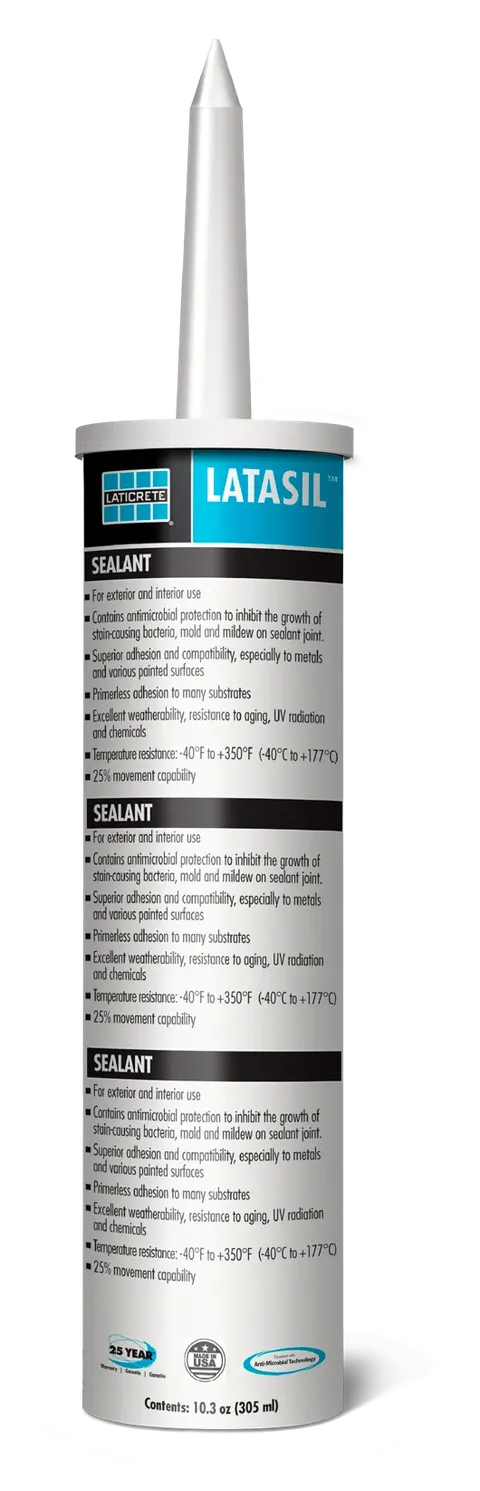
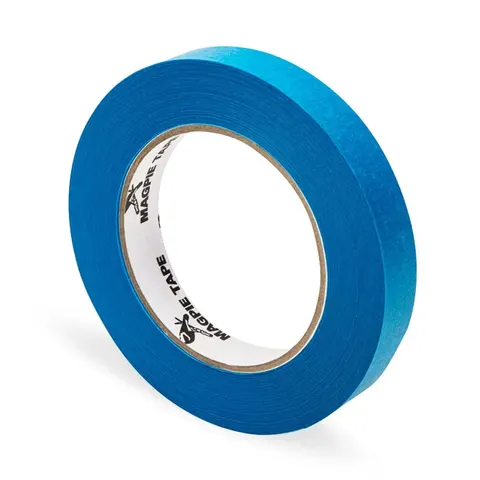
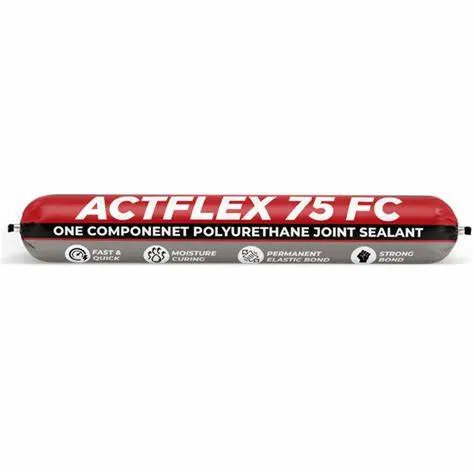
Silicone is the default for wet areas and glazing: it stays flexible, resists mould when a fungicide grade is used, and handles constant moisture. It will not take paint, so keep it out of joints that need to be finished over. Polyurethane bonds harder and is paintable, which makes it the choice for external expansion joints, concrete panel joints and anywhere the joint takes traffic or impact. MS polymer sits between the two — paintable like polyurethane, low odour, sticks to damp substrates, and it will not stain porous stone the way some polyurethanes do. If you are sealing natural stone or a joint that will be painted, MS polymer avoids most of the callbacks.
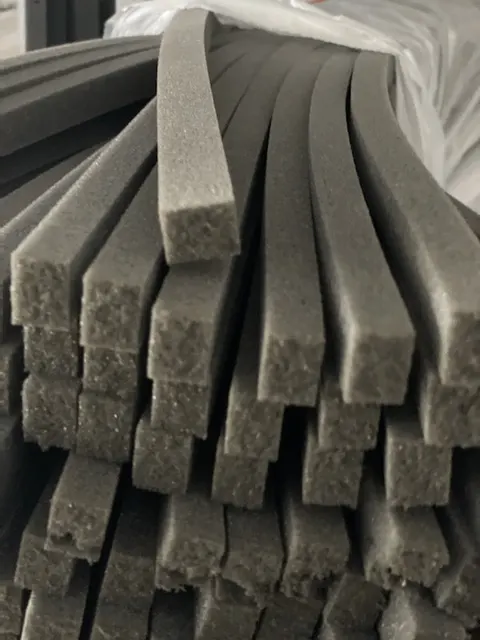
A sealant joint should bond to two faces, not three. Closed-cell backing rod sets the depth, prevents three-sided adhesion and stops the sealant tearing as the joint moves. As a rule of thumb, run a joint width to depth ratio of about 2:1 for elastomeric sealants, with a minimum joint width of 6mm on anything that moves. Undersized joints are the most common cause of premature sealant failure we see come back over the counter.
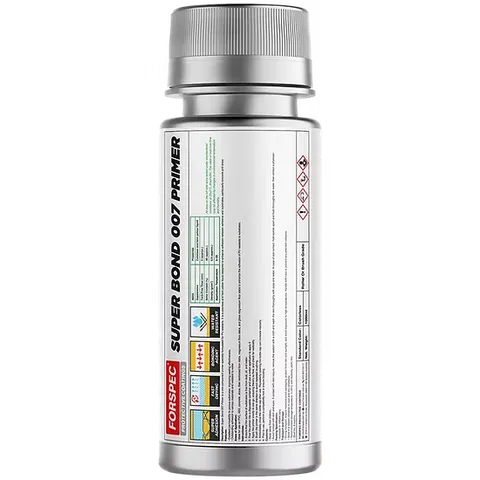
Most failures are adhesion failures, and most adhesion failures are preparation failures. Porous substrates — concrete, render, masonry, unglazed tile — generally need a primer to stop the sealant drawing into the surface. Non-porous substrates like glass, powder-coated aluminium and PVC usually need a surface activator instead. Both are stocked alongside the sealants in this category. Always clean back to sound, dry, dust-free material and check the technical data sheet for the substrate you are actually bonding to.
Every sealant has a published movement capability, expressed as a percentage of the joint width — commonly 25 percent for a good polyurethane, higher for some silicones. That figure decides how wide the joint has to be. A joint expected to move 3mm needs to be at least 12mm wide for a 25 percent product. Designing a joint too narrow for the movement it will see guarantees failure no matter how well the sealant is applied, and it is the single most common design fault we see on external work.
Sealants and adhesives are dated products. Moisture-cure chemistries in particular have a limited shelf life, and a cartridge that has been sitting in a hot ute for a summer may have partially cured inside the tube. Check the batch date, store cartridges upright and out of direct sun, and rotate stock. A cartridge that extrudes stiffly or has a skin at the nozzle has already started curing and will not develop full properties.
Acetic silicone releases acetic acid as it cures — that is the vinegar smell — and it can corrode metals and etch natural stone, mirrors and concrete. Neutral cure releases alcohol or oxime instead and is safe on those substrates. Use acetic on glass and glazed tile, neutral cure on everything else.
No. Paint will not adhere to cured silicone and will craze or peel. If the joint needs painting, use a paintable polyurethane or MS polymer sealant instead.
Skin time is usually 10 to 30 minutes, but full cure depends on depth, temperature and humidity. Most silicones cure around 2mm per 24 hours. For a 10mm deep joint, allow several days before flood testing or heavy water exposure.
No. Cut the old sealant out completely, clean the joint faces back to sound substrate and re-prime. New sealant will not bond reliably to a cured, weathered bead, and the joint will fail at that interface.