Star Tools

15 products
Alkali-resistant mesh, bonding agents, corner beads, stop-ends and expansion joint profiles that make up a complete render system.
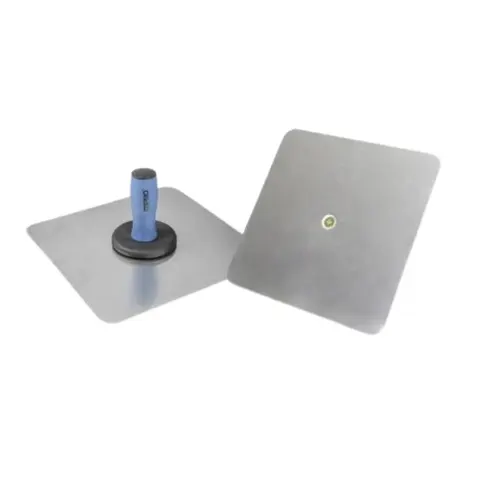
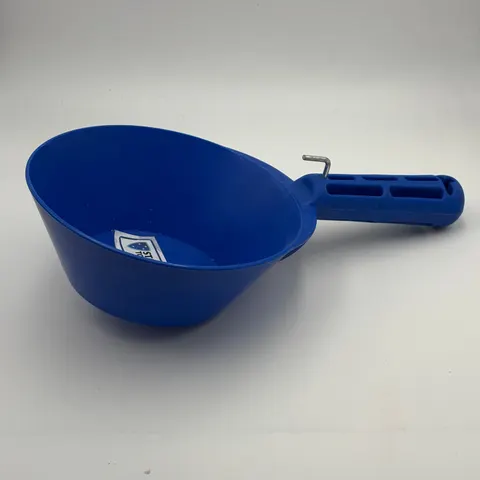
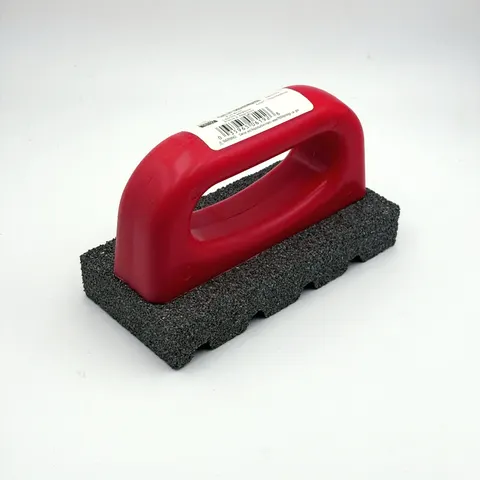
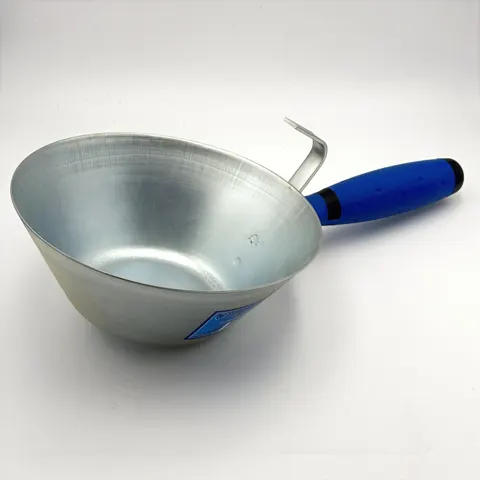
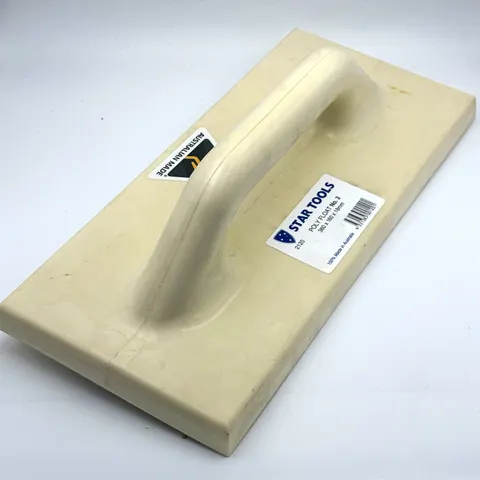
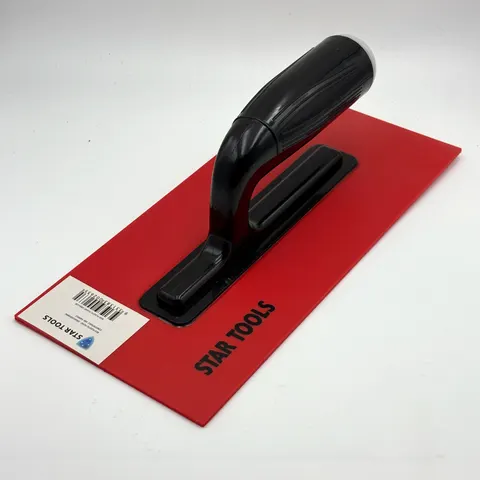
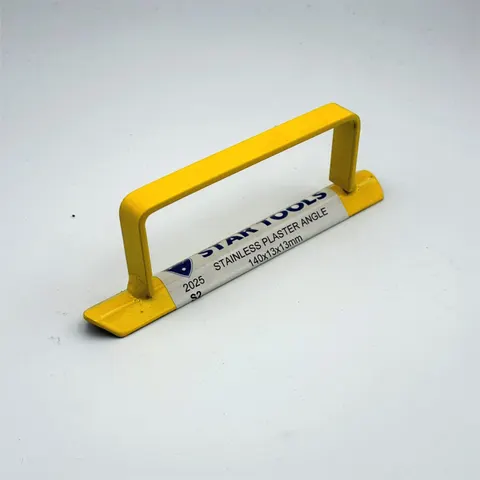
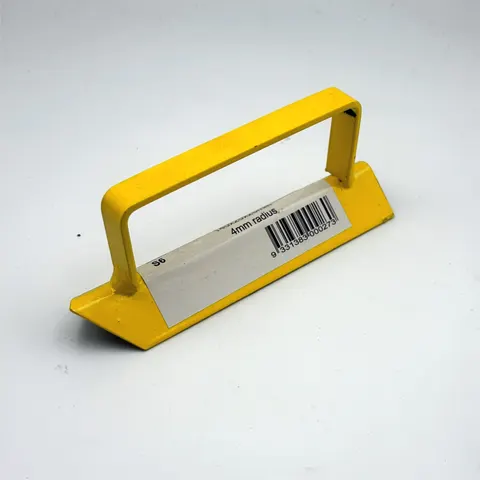
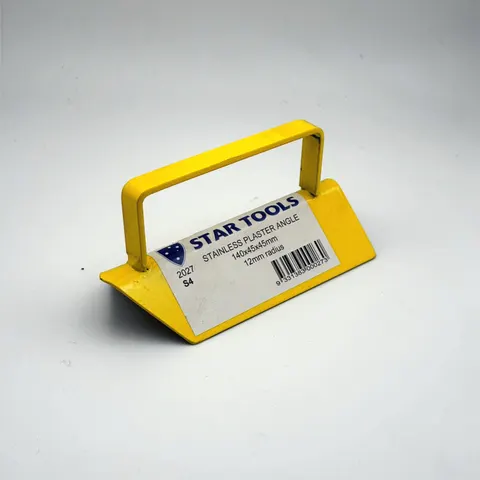

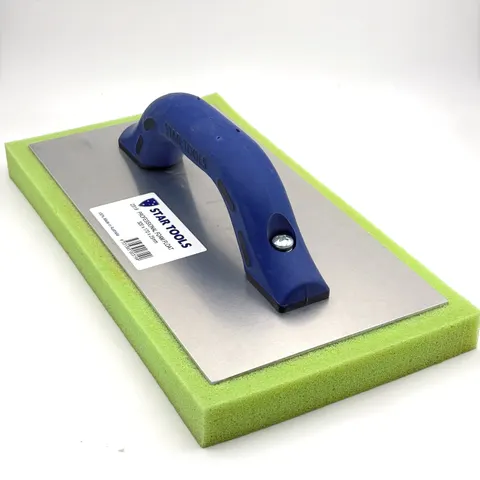

Beads give straight, protected arrises and clean terminations. Stop-ends define where the render finishes at an opening or junction and stop water tracking behind the render at the edge. Fixing them plumb and true is what separates a sharp render job from a wavy one — set them with a string line and check before rendering, not after.
Rendered elevations need movement joints at the spacings the system specifies, typically following the substrate's own joints and at changes of substrate material. A proprietary expansion joint profile handles the movement and gives a clean, straight line. Rendering across a substrate joint and hoping is the most common cause of a long diagonal or vertical crack appearing in the first summer.
On dense, low-suction or previously painted substrates, a bonding agent gives the render something to grip. On absorbent brickwork or block, controlling suction by dampening down is usually the better approach — a bonding agent over a highly absorbent surface can seal it so completely that the render slides. Match the treatment to the substrate rather than applying bonding agent as a default.
Alkali-resistant mesh must be embedded in the outer third of the base coat, not laid against the substrate where it does nothing. Lap adjacent sheets by at least 100mm, and add diagonal strips at the corners of every window and door opening, where stress concentrates and cracks always start. On sheet substrates, mesh over every sheet joint is mandatory.
On dense, low-suction or previously painted substrates, yes. On absorbent brickwork or block, control the suction by dampening down instead and follow the render manufacturer's guidance.
It varies by system and substrate, but joints generally follow the substrate's own joints and occur at changes of material. Check the render system specification.
No. Standard fibreglass degrades in the alkaline cement matrix. Use an alkali-resistant grade.