Jaden Services

31 products
Refine 2Floor wastes, puddle flanges, grates and covers in stainless steel, chrome and brass, sized for standard PVC drainage.
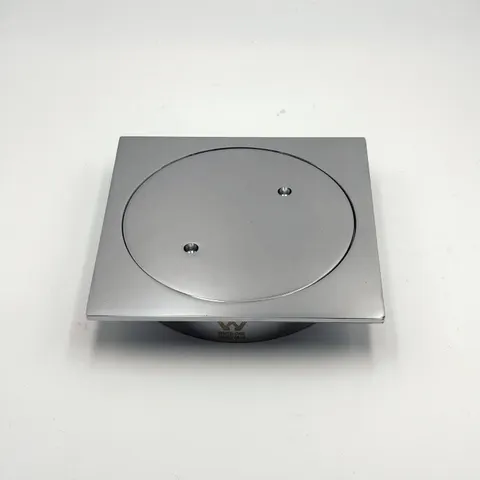
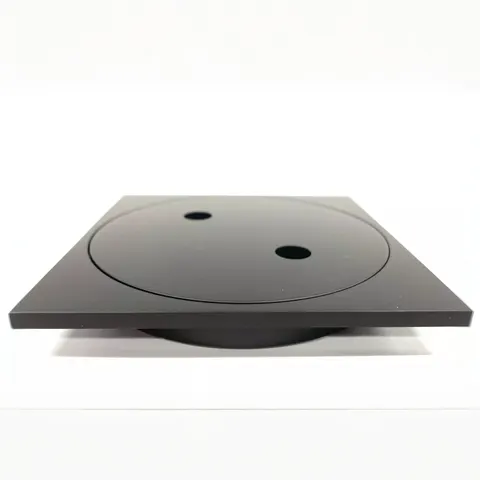
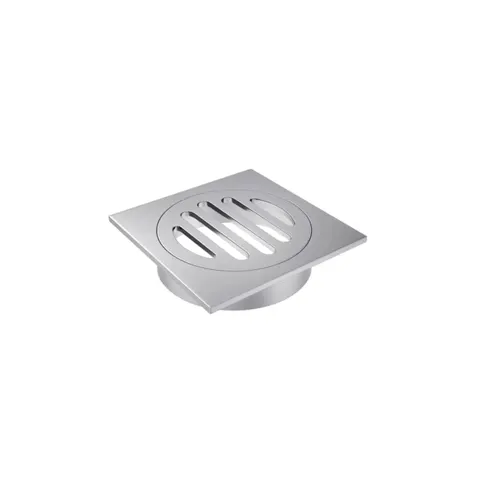
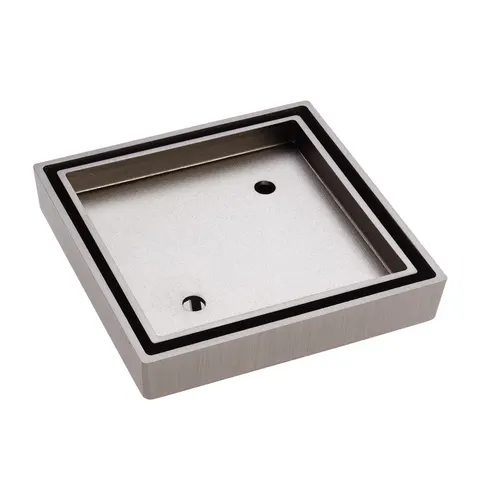
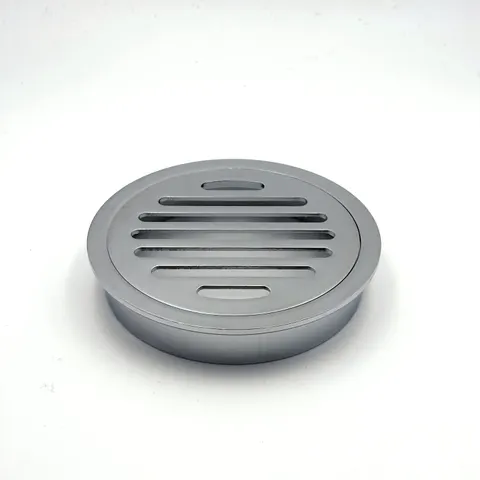
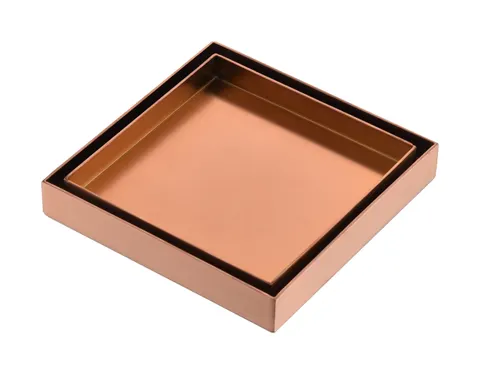

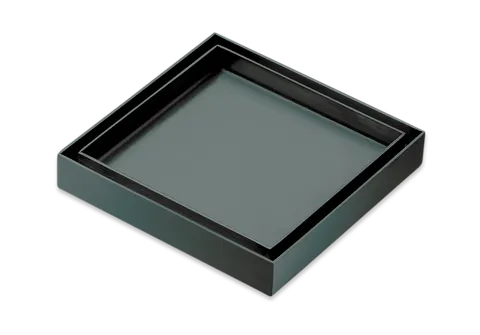
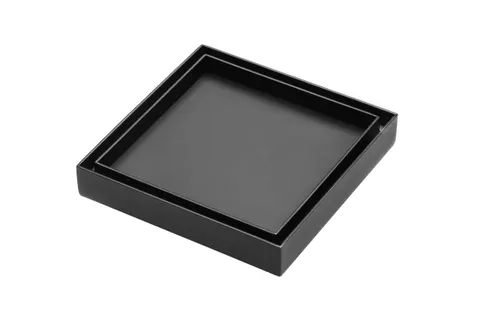
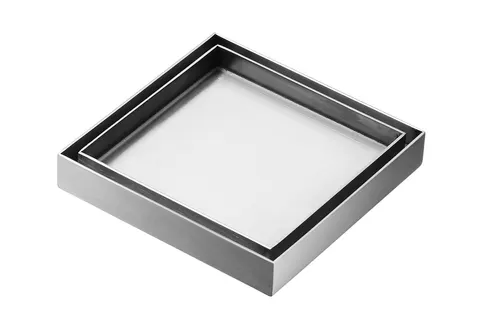
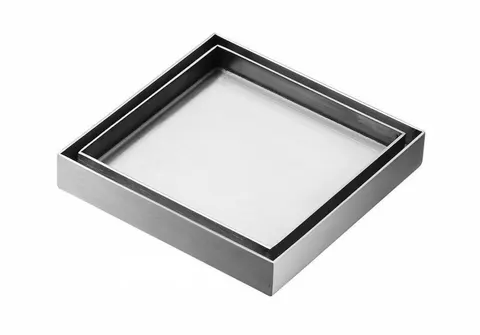
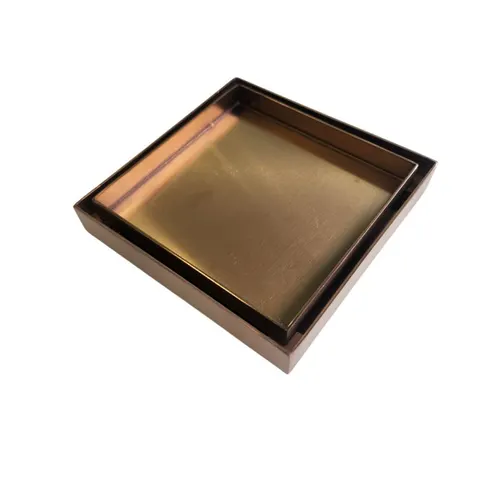

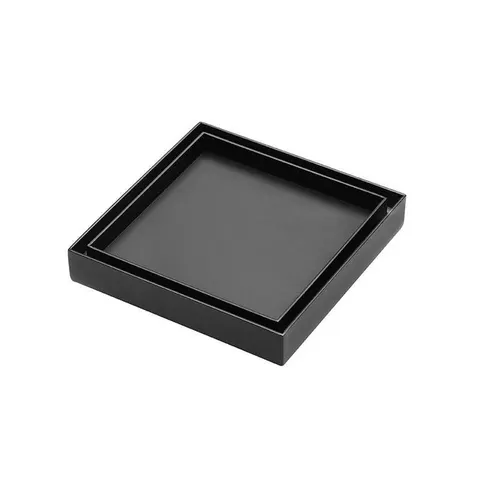
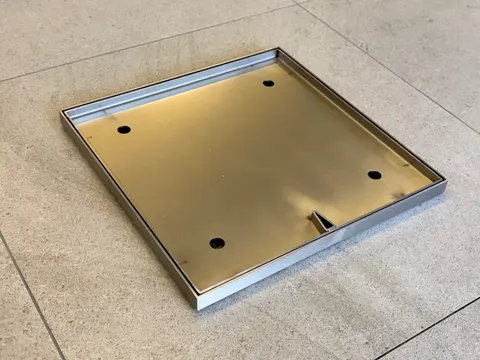
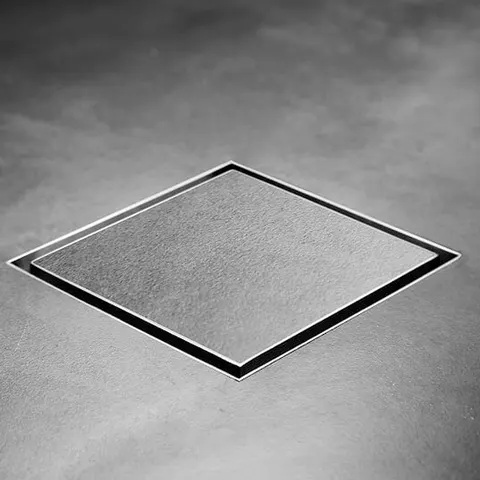
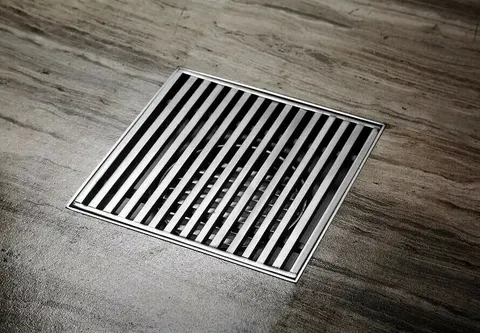
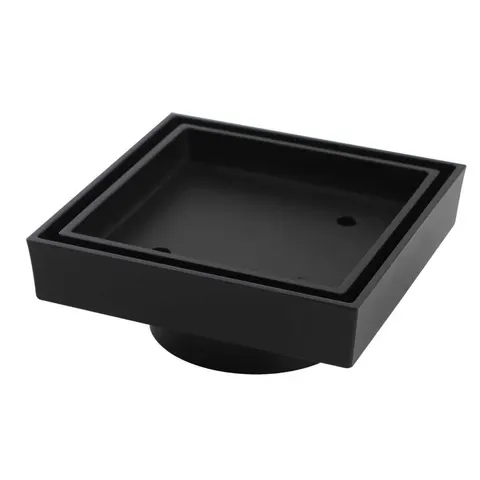
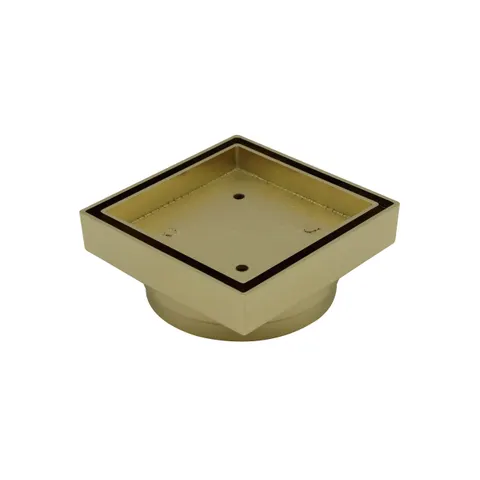
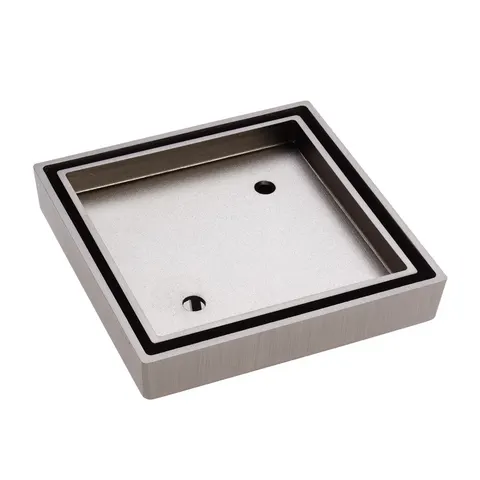
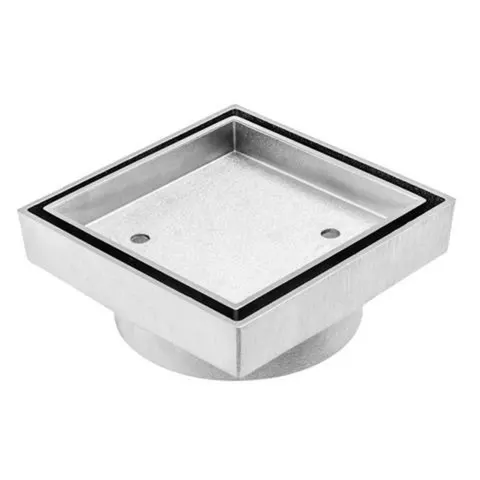
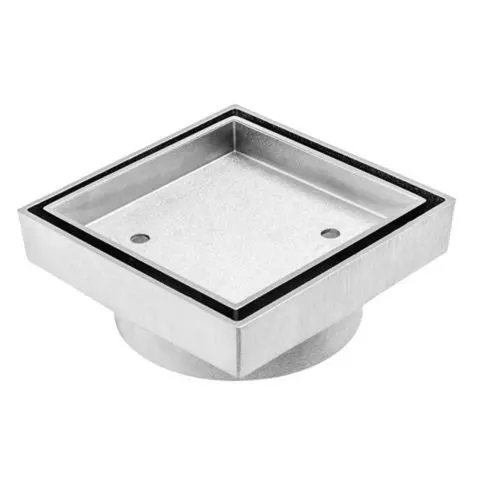
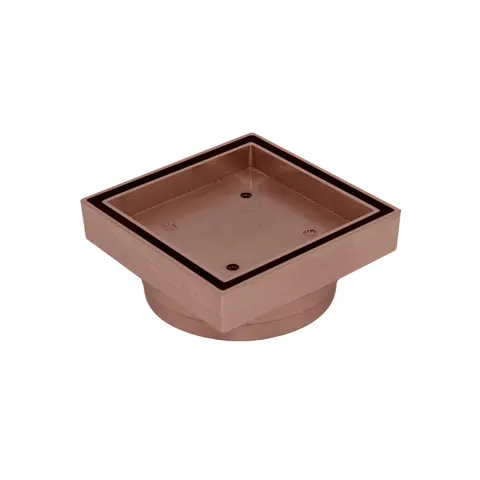
A puddle flange gives the waterproofing membrane a horizontal bonding surface around the penetration. Without one, the membrane has to seal against the outside of a vertical pipe, which is a joint that reliably fails. Bond the flange to the substrate, bandage over it, then build the membrane up across the flange.
316 stainless is the sensible default in wet areas and essential near pools or the coast, where 304 will develop tea staining within a season. Chrome-plated brass looks well matched to tapware but the plating wears at the edges over years of cleaning. Match the grate finish to the room's tapware where it is visible, but do not compromise on the material grade to do it.
Every waste needs to be cleanable. Removable grates and accessible baskets are worth specifying, particularly in showers where hair is the standard blockage. A tile-insert grate that has been siliconed permanently into place looks seamless and becomes a real problem the first time the drain blocks.
The trap under the waste has to suit the available depth, which on a suspended slab is often very limited. Shallow traps exist for exactly this, but they must still hold the required water seal to stop sewer gas entering the room. Confirm the available depth at rough-in — discovering the trap will not fit after the slab is poured is an expensive problem.
80mm or 100mm is standard for residential showers depending on the plumbing design and expected flow rate. Confirm with the plumber before setting the falls.
Usually yes if it is the same model or a compatible size. A different size normally means cutting tile around the drain.
Almost always a dry or inadequate trap seal, common in wastes that are rarely used. Running water into it periodically usually fixes it.