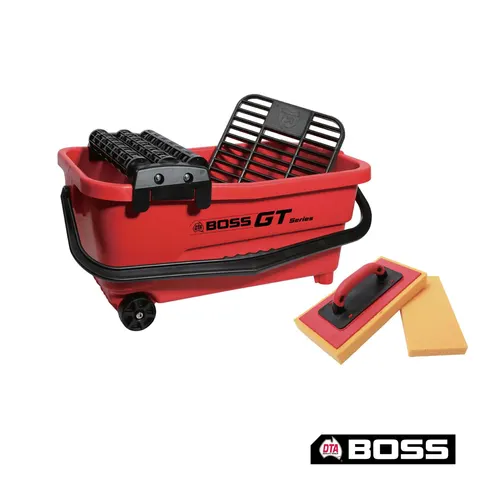
DTA Australia

5 products
Floats, hydro sponges, buckets, mixing paddles and grout removal tools — the consumables that decide how a grout job actually looks.
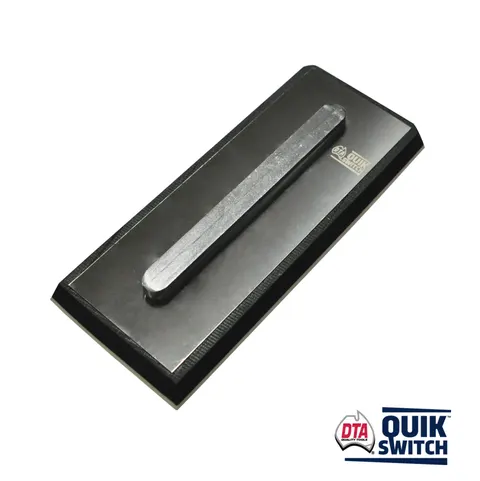
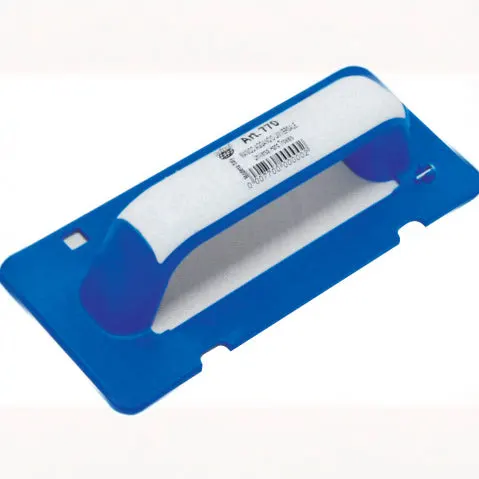
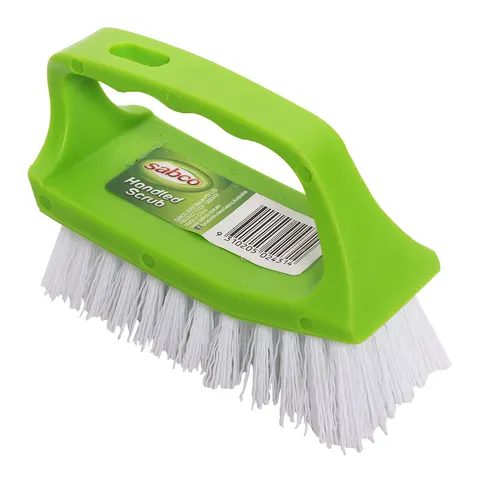
A worn sponge and dirty water are the two biggest causes of patchy grout. Hydro sponges hold more water and release it evenly, which gives a more consistent joint profile. Use two buckets — one for washing, one for rinsing — and change water far more often than feels necessary. Milky water deposits cement back onto the tile face as fast as you remove it.
A soft gum rubber float suits cement grout and conforms slightly to the tile, packing joints without scratching a glazed face. Epoxy needs a hard rubber float — a soft one simply flexes and rides over the stiff material without forcing it into the joint. Keep floats clean; cured grout on the working face becomes an abrasive that will scratch the next tile you work over.
For raking out failed joints, a manual grout saw is adequate on small areas but slow and hard on the wrist. Oscillating multi-tools with a carbide grout blade are far faster on larger areas, though they need a steady hand to avoid chipping the tile edge. Whichever you use, rake out to at least two-thirds of the joint depth so the new grout has something to key into.
Use a paddle designed for grout and a slow-speed drill. High speed whips air into the mix, which weakens it and leaves pinholes in the finished joint. Keep grout buckets separate from adhesive buckets — cured adhesive residue breaking loose into a grout mix produces lumps that scratch tile faces and show as flecks in a light-coloured joint.
A hard rubber epoxy float. Standard grout floats are too soft to force stiff epoxy into the joint properly.
As soon as it turns visibly milky. On a large floor that may be every few square metres.
Only if it is rinsed completely clean and still has its shape. A sponge with cement locked into the pores will drag and leave an uneven joint.