Admil

22 products
Refine 5Silicone sealants for wet areas, glazing, roofing and general sealing. We stock both acetic and neutral cure grades in cartridges and sausages, in the colour ranges that actually turn up on Sydney jobs — clear, white, black, grey, translucent and a working range of sanitary colours.
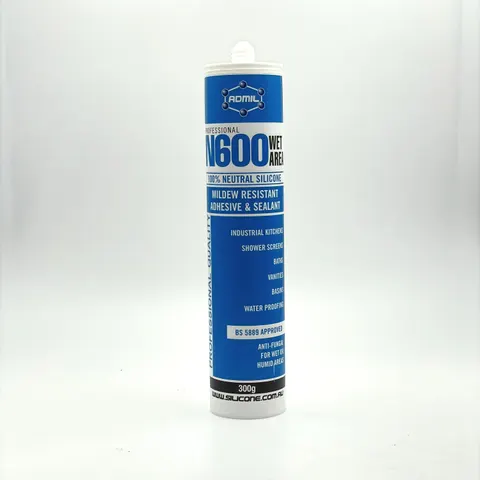
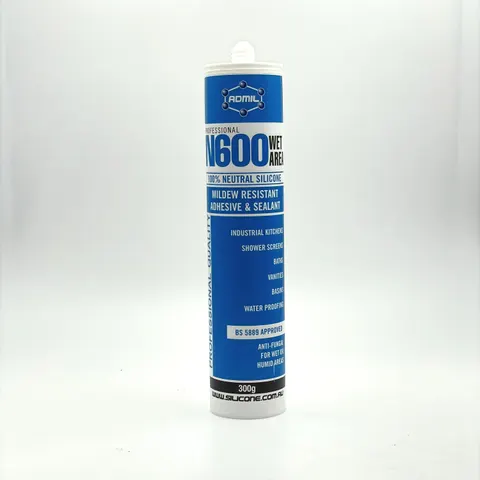
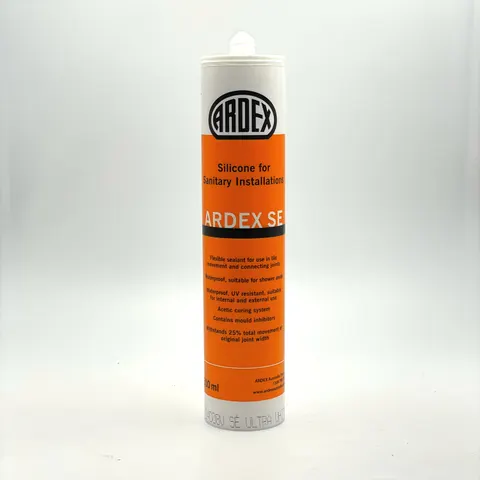
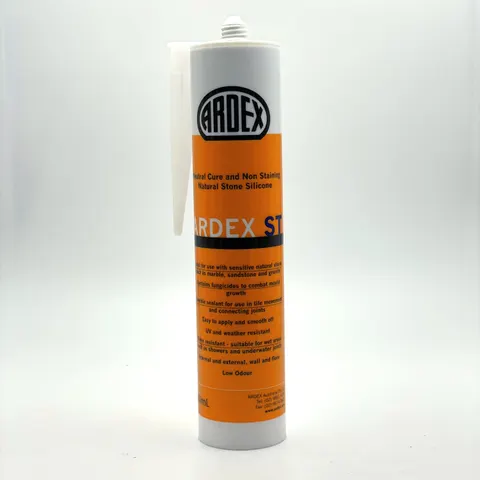
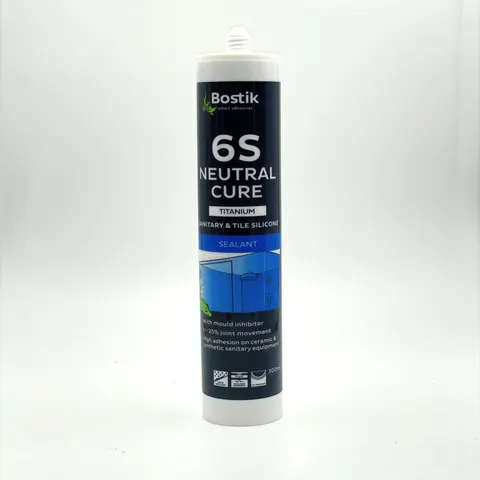
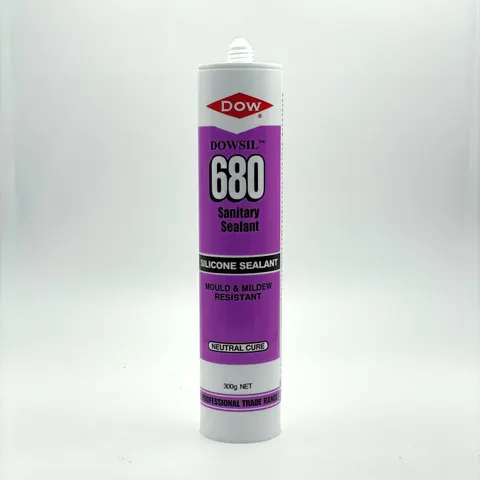
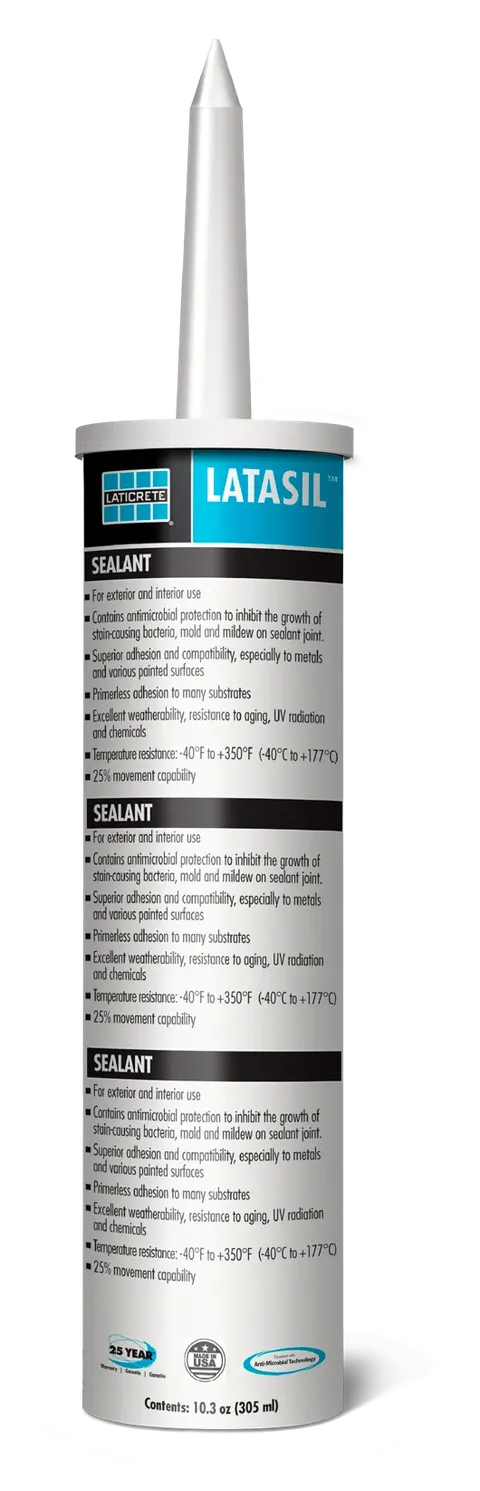
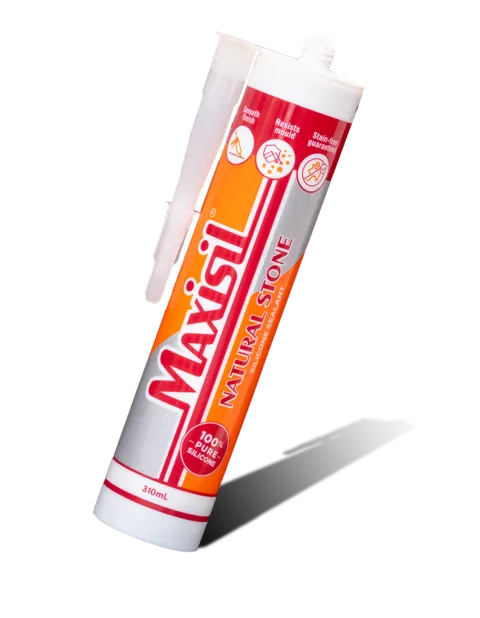
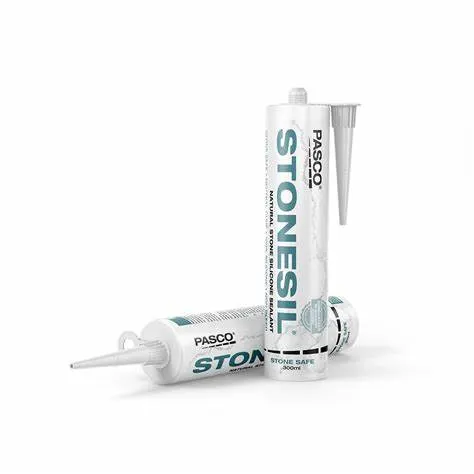
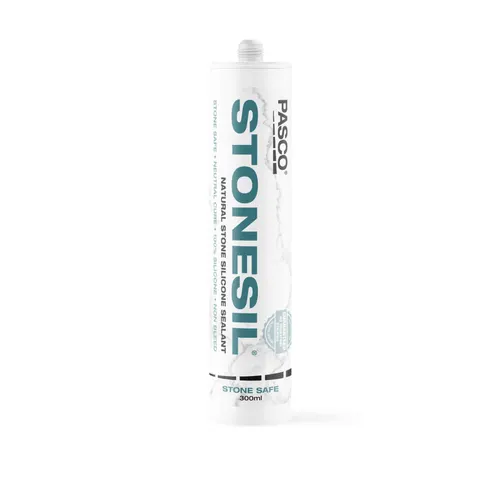
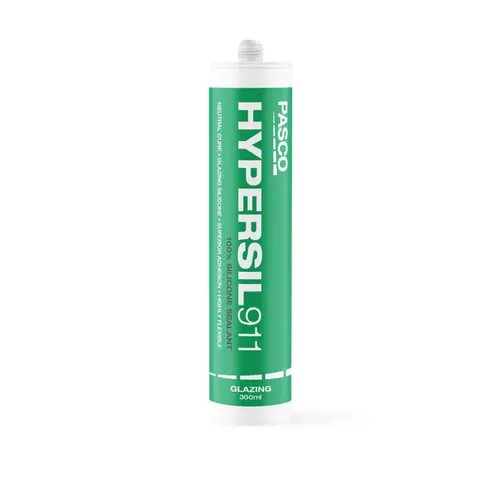
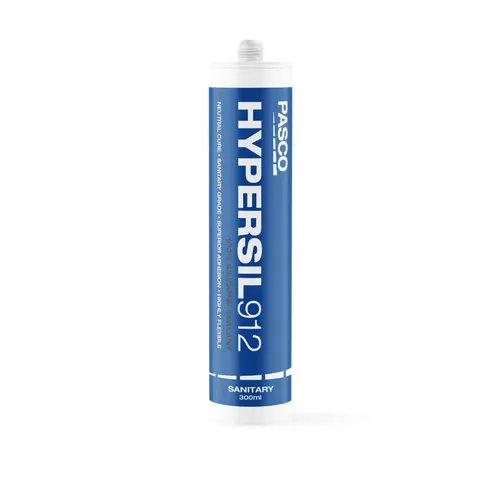
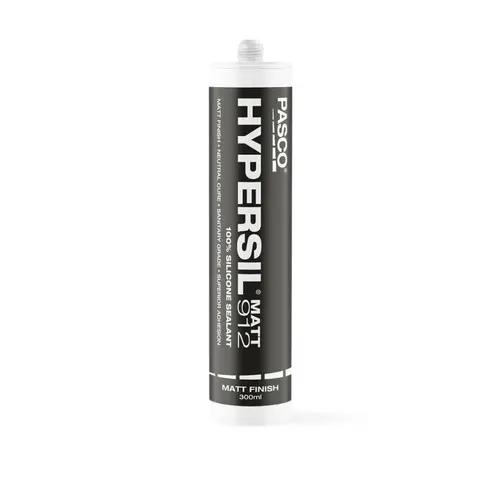
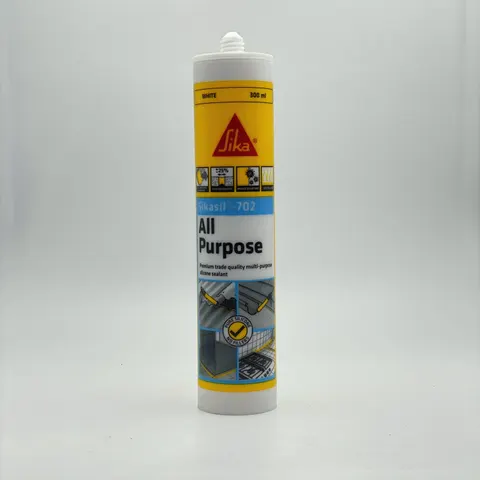
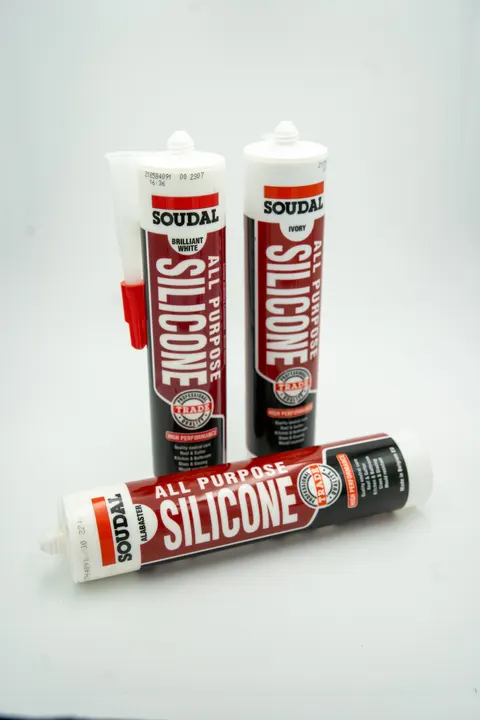
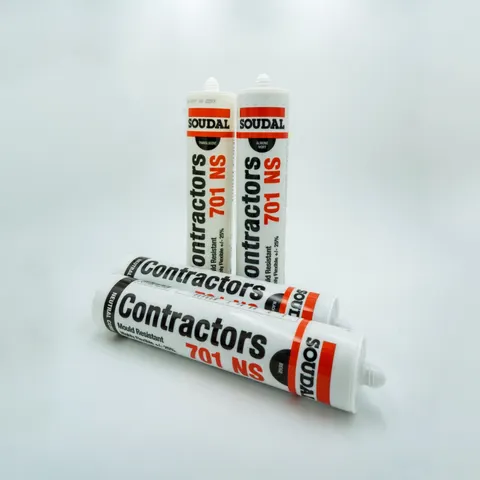
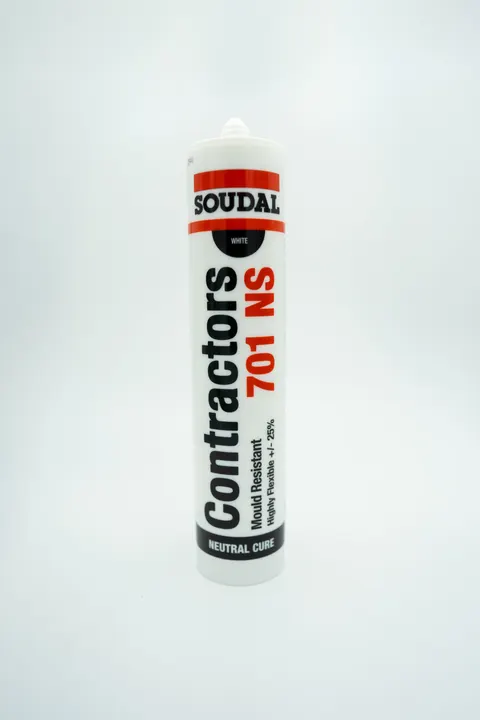
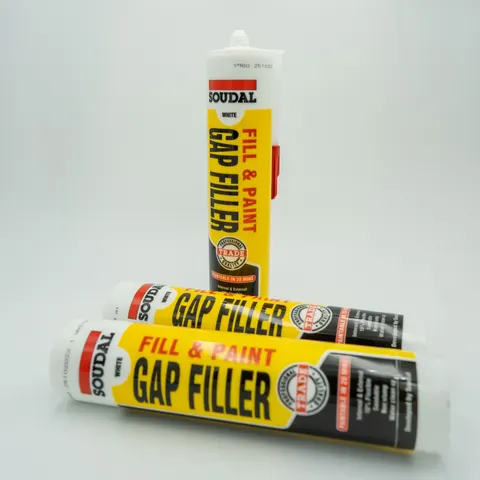
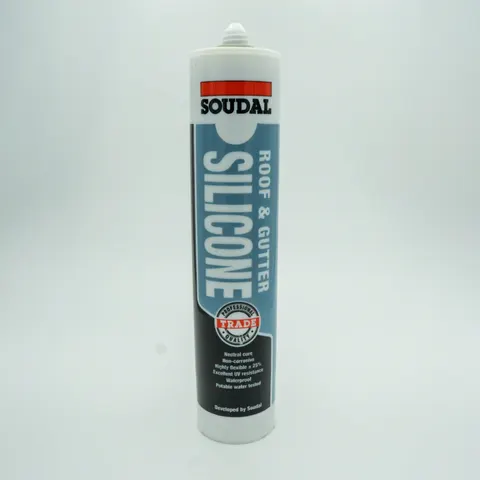
Sanitary grades carry a fungicide that resists mould growth in constantly damp joints — shower perimeters, bath edges, vanity and sink junctions. They are almost always neutral cure so they will not corrode tapware or etch stone benchtops. Cut the nozzle to match the joint width rather than forcing a wide bead through a small opening, and tool the joint within skin time so the silicone is compressed into contact with both faces.
Glazing silicone is formulated for adhesion to glass, aluminium and powder-coated frames, with UV stability for joints that see direct sun. Structural glazing grades carry published tensile figures and must be used to the manufacturer's joint design — if a joint is carrying load, use the product the engineer specified, not a general-purpose sealant.
Silicone cures slightly darker than it looks in the cartridge. When matching grout, work from a cured sample rather than the wet bead. Tool with a soap-free finishing solution or a purpose-made tool — detergent can leave a residue that interferes with adhesion at the joint edge. Mask both sides on visible joints and pull the tape while the silicone is still wet.
Roofing grades are formulated for adhesion to Colorbond, zincalume and galvanised steel, with the UV and thermal cycling resistance a roof demands. They are usually neutral cure, because acetic silicone will attack the coating on metal roofing over time. Clean the surface with a solvent wipe before application — the oil residue left from roll forming is enough to prevent a proper bond, and it is invisible.
Most silicones will apply between about 5 and 40 degrees. Below that the sealant becomes stiff and hard to tool, and adhesion suffers on a cold substrate. Above it, skin time drops sharply — on a hot Sydney afternoon a bead may skin in under five minutes, leaving no time to tool it. Work in the shade where possible, keep cartridges out of the sun, and on hot days run shorter sections and tool as you go.
Neutral cure only. Acetic silicone releases acid that can etch marble, limestone and some engineered stones. For porous natural stone, an MS polymer sealant avoids the oil staining that can occur at the joint edge.
A 300ml cartridge runs roughly 12 metres of 5x5mm joint, or about 3 metres at 10x10mm. Order on joint volume rather than linear metres — joint size changes coverage dramatically.
Mould has grown in or under the bead, usually because a non-sanitary grade was used, the joint was contaminated when applied, or water is tracking behind the silicone through a failed waterproofing membrane. Recurring mould at the same joint usually points to the membrane, not the sealant.
Standard silicones need a dry substrate. Some MS polymer and hybrid products will bond to damp surfaces — check the data sheet if you cannot get the joint properly dry.