Jaden Services

4 products
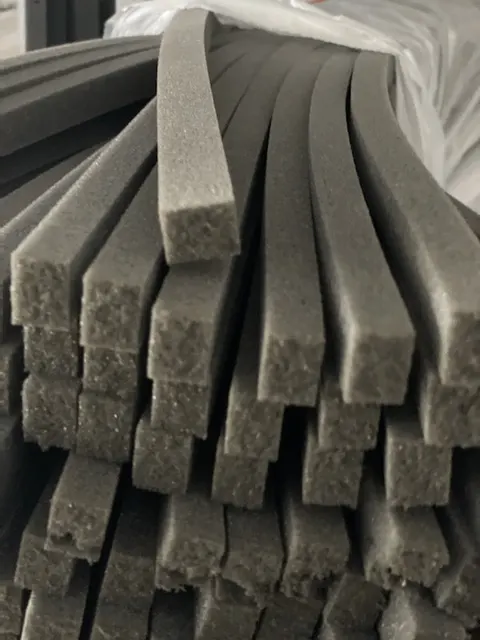
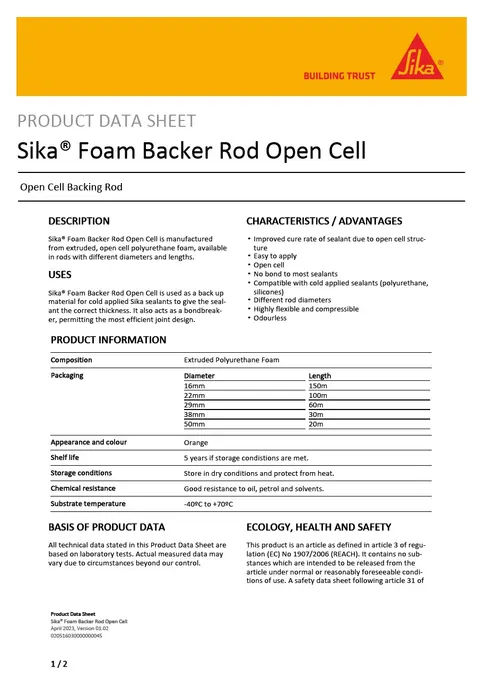
Closed-cell polyethylene backing rod in the full size range, for setting joint depth and preventing three-sided adhesion in sealant joints. Also stocked in open-cell for joints that need to breathe.
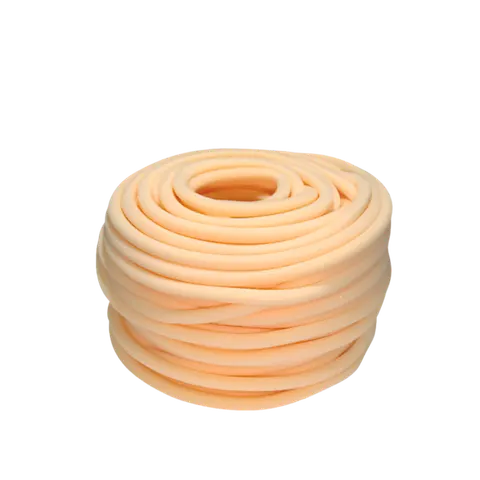
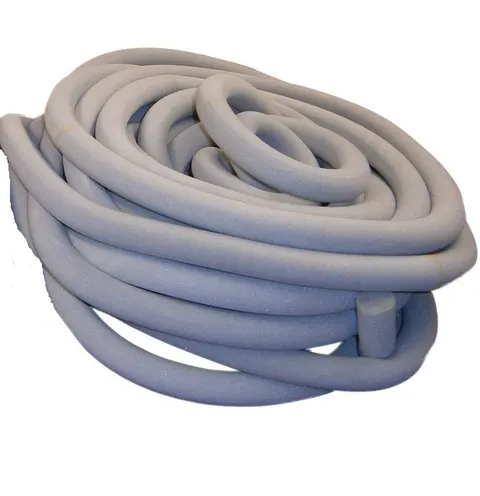
A sealant bead that touches the back of the joint bonds on three faces. When the joint moves, the sealant cannot stretch — it tears, usually cohesively down the middle or adhesively off one face. Backing rod acts as a bond breaker so the sealant only grips the two moving faces and can extend and compress as designed. It also controls depth, which stops you wasting sealant filling a joint that only needed 10mm.
Select rod roughly 25 percent larger than the joint width so it compresses into place and stays put without adhesive. Roll it in with a blunt tool — never a sharp one. Puncturing closed-cell rod releases gas that can cause bubbling in the curing sealant. Where the joint is too shallow for rod, use bond breaker tape on the back face instead.
The whole point of rod is a consistent, correct sealant depth, so it needs to go in at a uniform distance below the surface. Use a setting tool or a piece of timber cut to the required depth as a gauge, and check as you go rather than eyeballing it. Rod that wanders in depth produces a bead that is too thin in places — those are the spots that split first — and too thick in others, wasting sealant and slowing cure.
On long expansion joints, avoid stretching the rod as you install it. Polyethylene rod that has been pulled tight will slowly relax and shrink back, opening gaps at the ends of each run and leaving the sealant unsupported. Feed it in loosely, butt joins tightly rather than overlapping, and cut generously so there is no tension in the installed length.
Closed-cell for almost all exterior and wet joints — it does not absorb water. Open-cell is used where the joint or the sealant needs to breathe, and in some fire-rated assemblies. If unsure, closed-cell is the safe default.
Around 19mm to 20mm, so it compresses about 25 percent on installation and holds itself at the depth you set.
No. Absorbent materials hold water against the joint and many will bond to the sealant, defeating the purpose. Use purpose-made backing rod.