Innovative Tools

17 products
Refine 1Utility knives, blades, hand and floor scrapers, and removal tools for stripping adhesive residue, old sealant, paint and floor coverings.
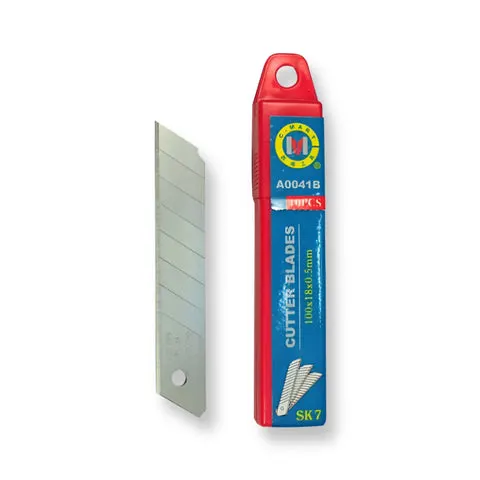
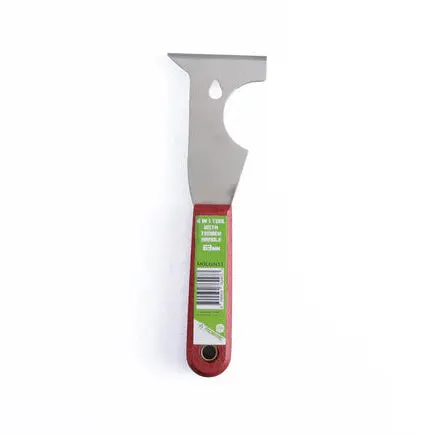
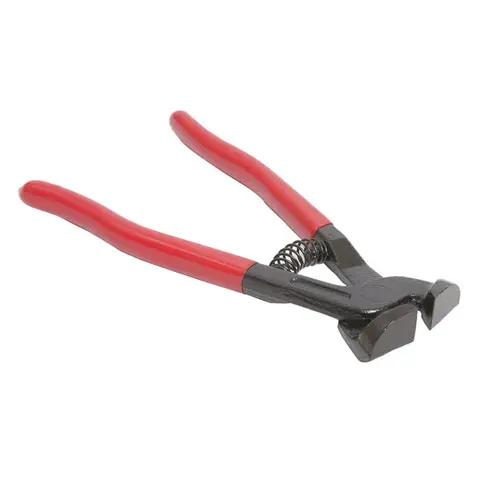
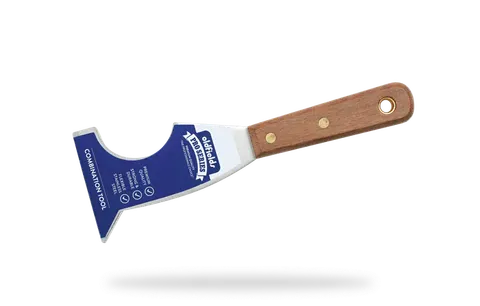
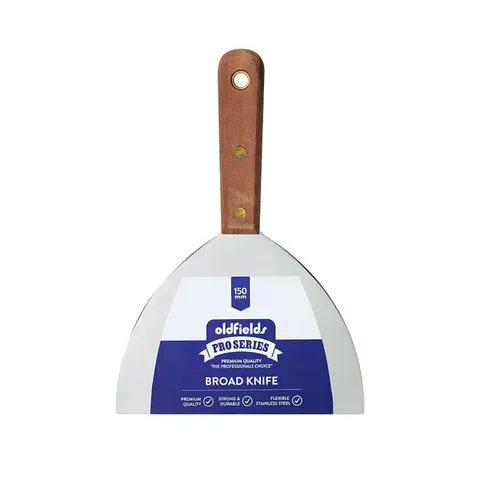
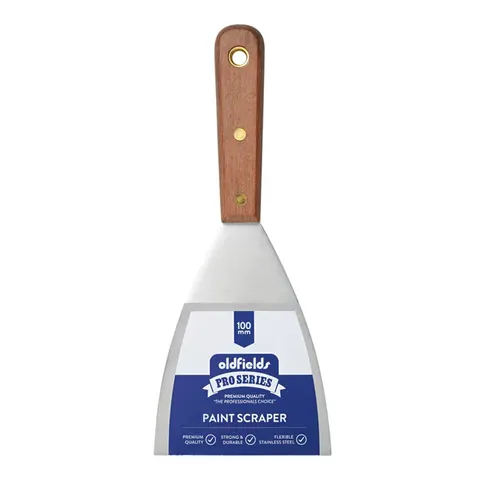
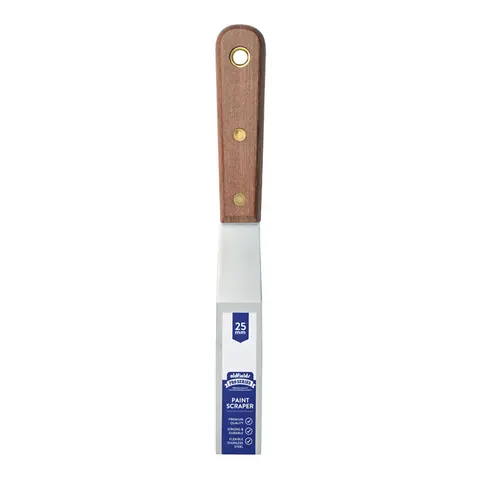
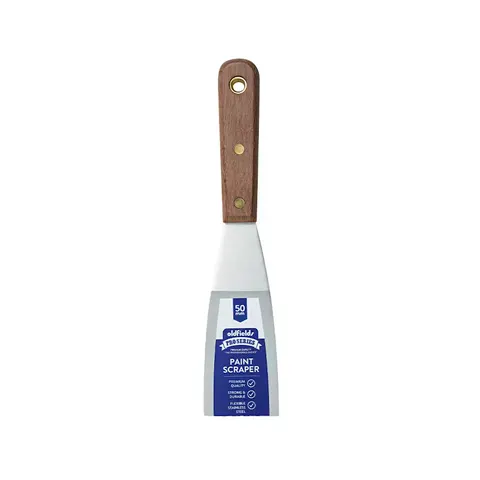
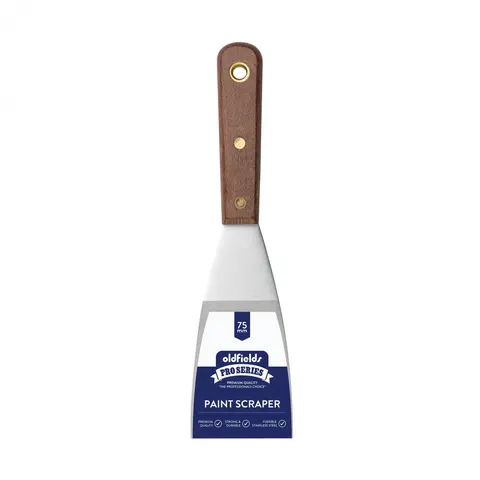
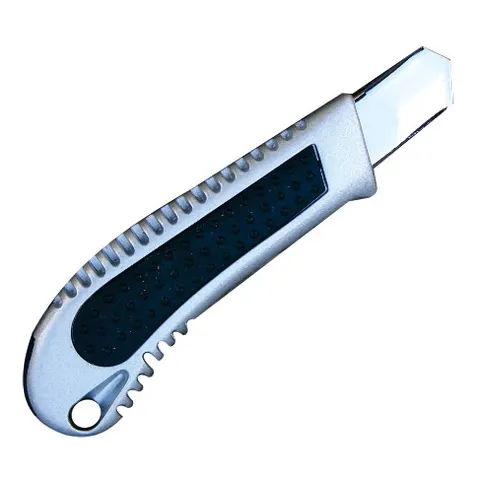
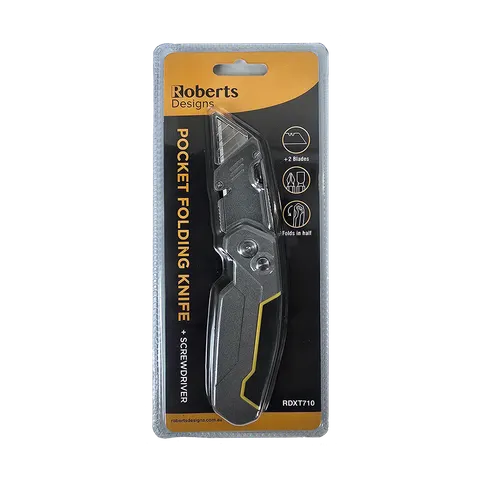
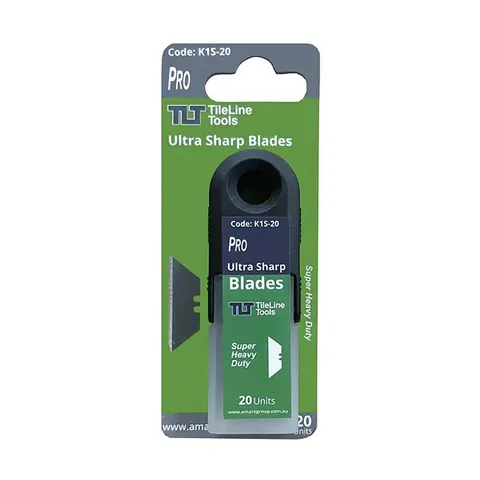
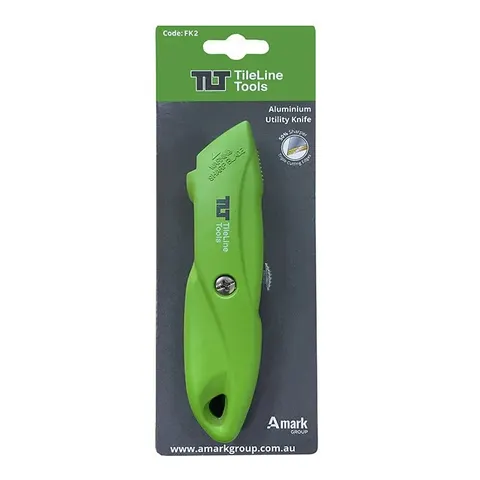
A sharp blade is a safety feature. Most utility knife injuries happen because a blunt blade needed extra force and then slipped. Change blades far more often than feels economical, and use a hooked blade for sheet materials where a straight blade wants to run away from the cut.
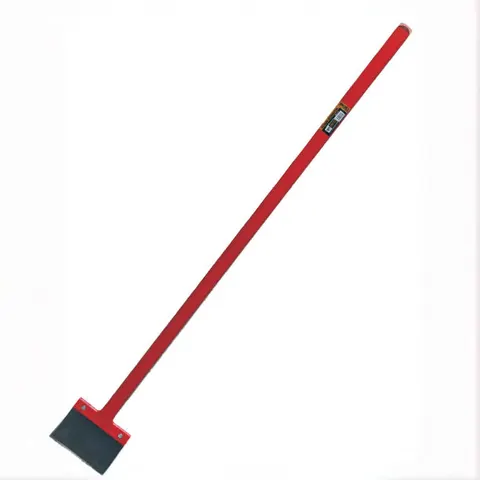
Long-handled floor scrapers work by leverage and body weight rather than arm strength, which is why the handle length matters. Keep the blade at a low angle to get under the material rather than digging into the substrate, and sharpen or replace the blade when it stops taking a clean edge. A blunt floor scraper does not just work slowly — it gouges the slab, creating levelling work later.
Cured sealant comes off mechanically first. Run a sharp blade down both faces of the joint, pull the bulk out in one piece if you can, then dress the joint faces back to sound substrate. Chemical removers soften the residue but will not touch a full bead. Any old sealant left in the joint becomes the bond surface for the new bead, which is why so many re-sealed joints fail quickly.
Scraping back old floor coverings and adhesives in buildings from before the 1990s carries a genuine asbestos risk, particularly with vinyl tiles and their black bitumen adhesives. Do not start scraping on an unknown old floor. Have the material tested, and if it is positive, it must be removed by a licensed asbestos removalist under NSW regulations.
Mechanical removal first with a floor scraper or grinder, then a chemical remover for the residue. Take note of asbestos risk in older buildings — pre-1990 vinyl adhesives may contain it and require licensed removal.
Hooked for sheet materials, carpet and roofing membrane, where it pulls into the cut. Straight for general trimming and scoring.
Cut the bulk away with a plastic or sharp steel blade held flat to the surface, then soften the residue with a silicone remover gel rather than scraping harder.