Ardex

12 products
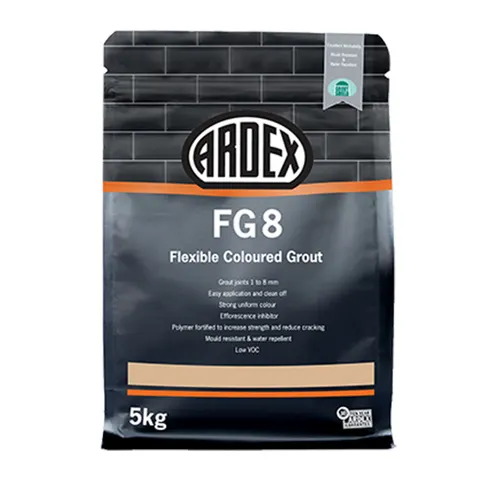
Refine 2Polymer-modified cement grouts for wall and floor tiling in the full colour ranges. Sanded grades for wider joints, unsanded for narrow joints and polished surfaces that sand would scratch.
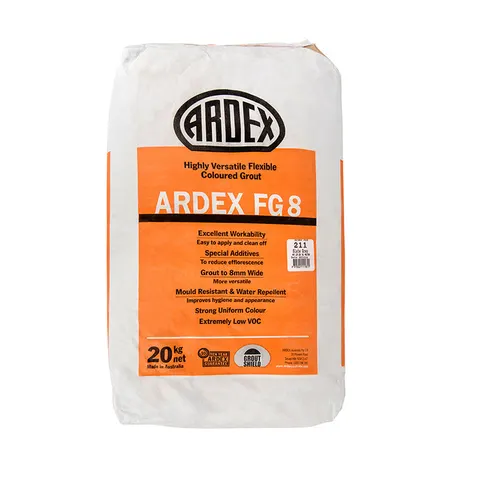
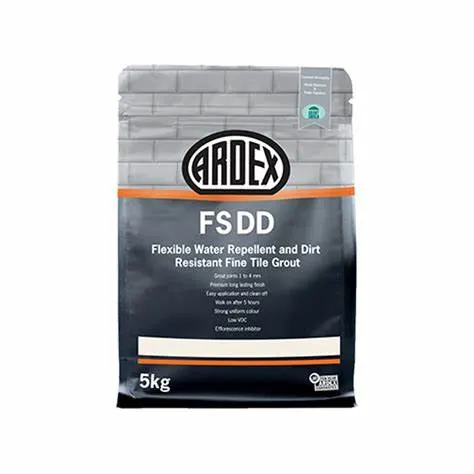
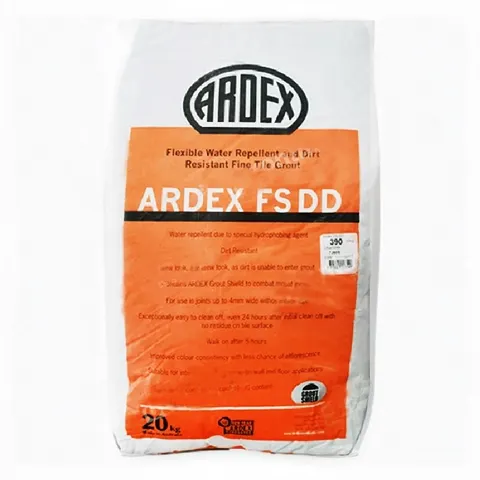
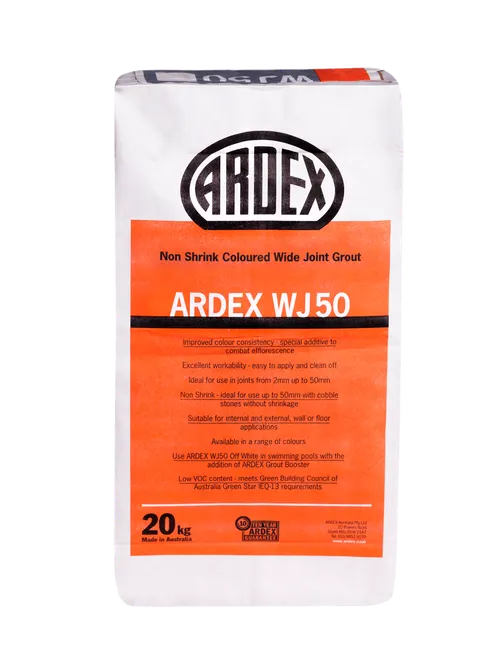
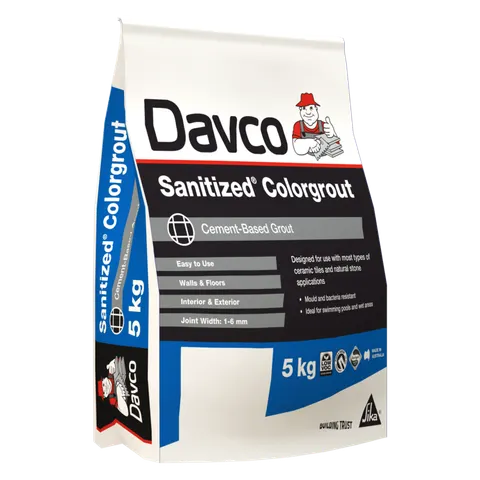
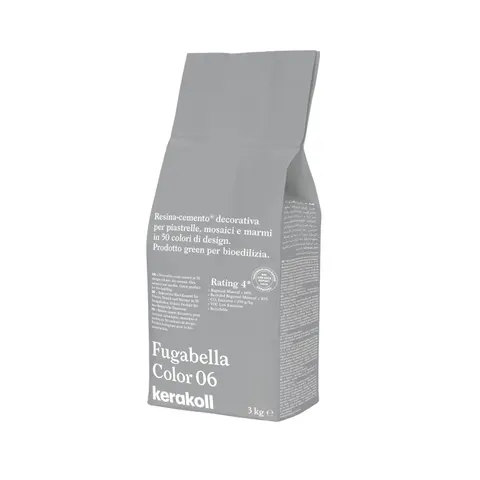
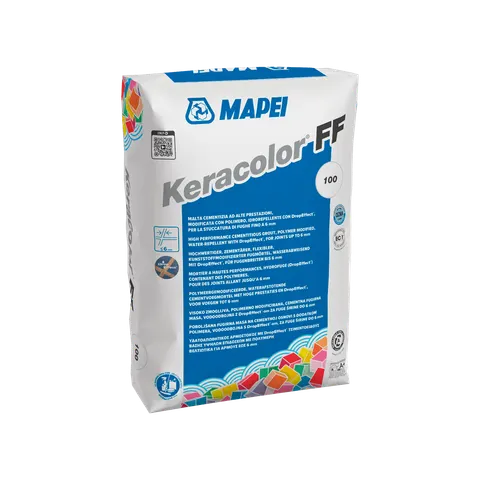
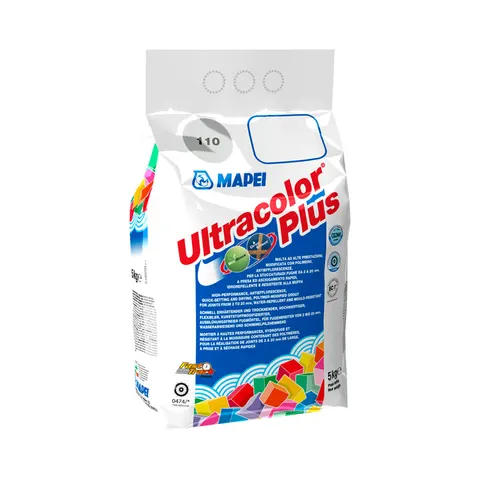
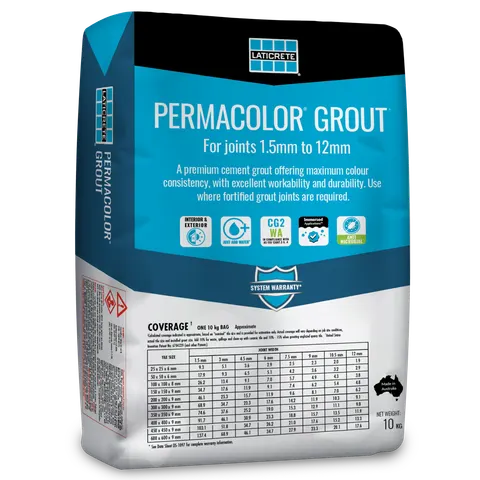
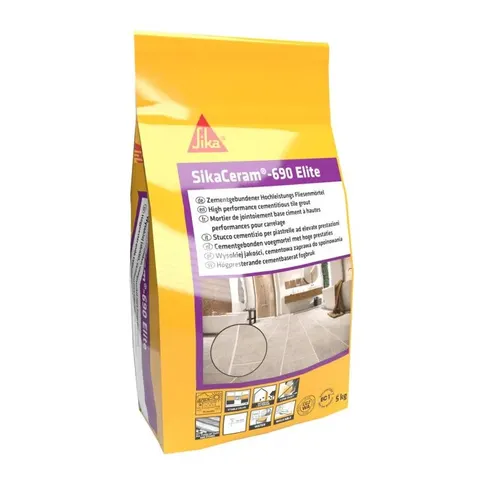
Unsanded grout suits joints up to about 3mm and is the right choice for polished stone, glass and any tile a sand grain would scratch. Sanded grout is used above 3mm — the aggregate controls shrinkage so the joint does not crack as it cures. Using unsanded grout in a wide joint is a reliable way to get hairline cracking through the joint within weeks.
Grout colour variation almost always traces back to inconsistent water dosing between batches, or to cleaning off too early and pulling pigment out of the joint surface. Measure the water, mix full bags where possible, and wait until the grout has firmed before the first sponge. Work the sponge diagonally across joints and change the water often.
A grout joint should be filled solid to the full depth, not just skimmed across the surface. Work the float diagonally to the joints in two directions so the grout is packed in rather than bridged over a void. Hollow joints crack out under traffic, let water into the adhesive bed, and are the reason a floor needs regrouting after two years. On floors, check a few joints with a blade early in the job.
Cement grout needs moisture to hydrate, and a thin joint in a warm room loses it fast. In hot or dry conditions, mist the grouted area lightly for the first day or cover it. Grout that dries rather than cures ends up soft, powdery and pale, and no amount of sealing afterwards will fix it.
Modern polymer-modified grouts have good built-in stain resistance, but a penetrating sealer still helps in kitchens and high-traffic floors. Epoxy grout needs no sealing.
Usually movement — either no perimeter movement joint, or a flexible substrate under a rigid grout. It can also be over-watering the mix or grouting before the adhesive has cured.
Inconsistent water in the mix, cleaning off too early, or variable substrate suction pulling water out of the joint unevenly. Consistent batching and waiting before the first sponge fixes most of it.